Personal Property Tax (Car Tax) in Kansas
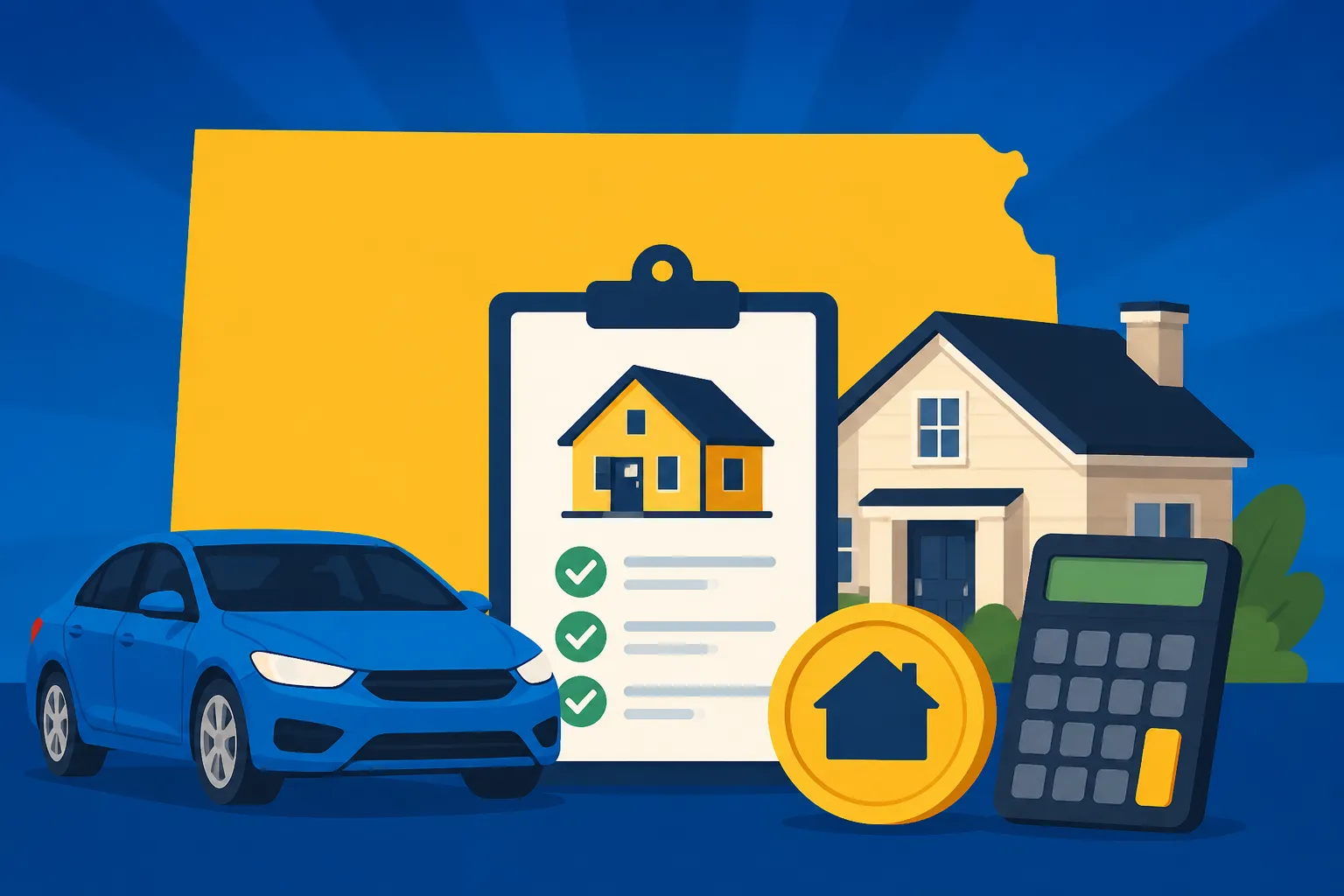
Oh, the infamous "car tax" in Kansas – it's one of those things that can hit you right in the wallet when you least expect it, or just when you're gearing up to renew your vehicle tags. For many Kansans, this personal property tax on their vehicles feels like an added burden, a hidden cost that sneaks up annually. This comprehensive guide is here to demystify Kansas's personal property tax system, specifically focusing on your vehicles, so you understand why you pay it, how it's calculated, and what you need to do to stay compliant.
Understanding Kansas Personal Property Tax on Vehicles
Let's be real, navigating property taxes can feel like deciphering ancient scrolls, and when it comes to personal property like your car, it gets even more confusing for some. Unlike real property (like your house or land), personal property isn't always something fixed in place. In Kansas, your vehicles, whether it's your daily driver, that trusty pickup truck, or even your motorcycle, are considered personal property subject to taxation. It's a system designed to help fund local services, just like your real estate property taxes do.
What Constitutes Personal Property for Tax Purposes?
When we talk about personal property tax in Kansas, it’s not just about your car. While your vehicle is certainly a prime example, the category can technically encompass other movable assets. However, for most residents, the biggest impact comes from their automobiles, trucks, motorcycles, recreational vehicles (RVs), and even certain types of trailers. These items are registered with the state, making them easy for the county appraiser to track and assess. It's a common misconception that once you've bought your car, your tax obligations are over, but in Kansas, there's this annual rendezvous with the county treasurer's office to contend with.
It’s crucial to understand that this isn’t an income tax, nor is it a sales tax (which you paid when you first bought the vehicle). This is an annual tax on the value of the personal property you own. This distinction often trips people up, especially those who've moved from states without a similar "car tax." For a broader perspective on how different states handle these kinds of taxes, you might find our guide on Vehicle Property Tax by State Car Tax List incredibly insightful, showing just how varied these systems can be across the country.
The Purpose Behind the Tax
You might wonder, "Why another tax on my car?" The simple answer is that the funds collected from personal property taxes in Kansas are a vital source of revenue for local governments. Think about your local schools, emergency services, county roads, libraries, and other essential community services – these all rely on property tax revenues to operate. When you pay your Kansas car tax, you're directly contributing to these services in your specific county and municipality.
This is similar to how your residential property taxes work. Whether it’s your house or your car, the government assesses its value and applies a tax rate to generate funds for shared community resources. This structure means that counties with a higher collective value of personal property can potentially support more robust local services. It’s part of the fabric of how public services are funded, and while it might feel like an additional pinch, it's directly tied to the infrastructure and amenities you use every day.
How Your Kansas Car Tax is Calculated
The calculation of your personal property tax in Kansas isn't always straightforward, and it can definitely lead to some head-scratching. It's not a flat fee; it's a percentage based on the appraised value of your vehicle, adjusted by assessment ratios and local mill levies. Knowing the components that go into this calculation can help you understand why your bill is what it is, and perhaps even plan for it.
Appraised Value and Assessment Ratios
First, your vehicle's appraised value is determined by your county appraiser's office. They typically use standardized valuation guides, such as the National Automobile Dealers Association (NADA) guide, to establish the fair market value of your vehicle as of January 1st of the tax year. This means the make, model, year, and condition of your vehicle all play a role. As your car ages and its market value depreciates, its appraised value for tax purposes will generally decrease, leading to a lower tax bill over time.
Once the appraised value is established, an assessment ratio is applied. In Kansas, personal property (which includes vehicles) is generally assessed at 30% of its appraised value. So, if your car has an appraised value of $10,000, its assessed value for tax purposes would be $3,000. This assessed value is the figure upon which the actual tax rate is applied. Understanding the difference between assessed value and market value is critical, and we delve deeper into that in our article, Assessed Value vs Market Value vs Taxable Value.
Understanding Mill Levies
After the assessed value is determined, the local mill levy comes into play. A "mill" is a unit used to express the property tax rate, representing $1 of tax for every $1,000 of assessed value. Mill levies are set by various local taxing units, including your county, city, school district, and any special districts (like fire or water districts) that serve your property. These rates are aggregated, meaning your total mill levy is the sum of all these individual levies applicable to your specific location.
Let's say your vehicle has an assessed value of $3,000, and the combined mill levy in your area is 150 mills (which translates to $0.150 per $1 of assessed value). Your tax would be calculated as: $3,000 (assessed value) x 0.150 (mill levy) = $450. It’s a pretty straightforward multiplication once you have the assessed value and the total mill levy. This system, while complex in its origin, is consistent. To better grasp how these rates impact your overall property tax burden, you might want to read our detailed explanation, What Is a Mill Rate? Millage Explained.
Hypothetical Calculation Example
Let's walk through an example to make this clearer.
Imagine you own a 2018 Toyota Camry in Sedgwick County, Kansas.
- Appraised Value: The county appraiser determines its January 1st market value to be $15,000.
- Assessment Ratio: Kansas assesses personal property at 30%.
- $15,000 (Appraised Value) x 0.30 (Assessment Ratio) = $4,500 (Assessed Value)
- Mill Levy: Let's assume the combined mill levy for your specific address in Sedgwick County (including county, city, and school district levies) is 160 mills, or $0.160.
- Tax Calculation:
- $4,500 (Assessed Value) x 0.160 (Mill Levy) = $720
So, your personal property tax bill for that 2018 Toyota Camry would be $720 for the year. It's important to remember that these numbers are just examples, and your actual tax will depend on your specific vehicle and location.
- $4,500 (Assessed Value) x 0.160 (Mill Levy) = $720
Here's a simplified table illustrating how different appraised values can translate to different tax amounts, assuming a consistent 30% assessment ratio and a 160 mill levy:
| Vehicle Appraised Value | Assessed Value (30%) | Mill Levy (160 mills) | Estimated Annual Tax |
|---|---|---|---|
| $5,000 | $1,500 | $0.160 | $240 |
| $10,000 | $3,000 | $0.160 | $480 |
| $15,000 | $4,500 | $0.160 | $720 |
| $20,000 | $6,000 | $0.160 | $960 |
| $25,000 | $7,500 | $0.160 | $1,200 |
This table highlights how directly your vehicle's value impacts your tax bill.
Who Pays Kansas Personal Property Tax and When
Understanding who is responsible for this tax and when it's due is just as important as knowing how it's calculated. Misunderstanding these details can lead to penalties or, worse, issues with your vehicle registration.
Residency and Ownership as of January 1st
In Kansas, your personal property tax liability for the entire year is generally determined by who owns the property and where it's located as of January 1st of that tax year. This is a critical date. If you owned a vehicle and resided in a Kansas county on January 1st, you are typically responsible for the personal property tax for that vehicle for the entire year, even if you sell the vehicle later in the year or move out of state.
This "snapshot" approach can sometimes feel unfair, especially if you buy a new car mid-year or sell one early on. For example, if you buy a car in March, you won't owe personal property tax on it until the next tax year, as you didn't own it on the preceding January 1st. Conversely, if you sell your car in July, you're still on the hook for the full year's tax because you owned it on January 1st. There are no prorated refunds in most cases, which is a common point of frustration for many residents. This is different from how real property taxes might be prorated during a home sale, which can add to the confusion.
The Link to Vehicle Registration
Here’s where the Kansas personal property tax on vehicles really integrates into your life: you cannot renew your vehicle registration and license plates without first paying your personal property taxes for that vehicle. The county treasurer's office links these two processes directly. When your vehicle's tags are up for renewal, you'll receive a notice that includes your personal property tax bill. You pay the tax, and then you can renew your registration.
This ensures a high collection rate for the tax, but it can also create a bottleneck if you're caught off guard by the tax amount. It's a system that mandates compliance before you can legally operate your vehicle with current tags. If you fail to pay your personal property tax, not only will you be unable to renew your registration, but you could also face penalties, fines, and even a lapse in your vehicle's legal status, which can lead to tickets if you're pulled over. For details on general property tax due dates, our guide on Property Tax Due Dates by State can offer a broader view, though specific personal property tax dates are often tied to registration.
What if You Move or Buy/Sell a Vehicle?
Moving within Kansas, especially to a different county, can impact where your personal property tax is paid, but the January 1st rule usually still dictates who pays for the current year. If you move from, say, Johnson County to Shawnee County mid-year, you'd generally still pay your personal property tax to Johnson County for that year, as that's where the vehicle was based on January 1st. Your taxes would then shift to Shawnee County for the following year.
When buying a vehicle, you typically won't pay personal property tax until the year after the purchase, assuming the purchase was after January 1st. If you purchase from a private party, ensure they've taken care of any taxes owed from their ownership period. When selling, remember you're liable for the full year's tax if you owned the vehicle on January 1st. There are no "tax-free" periods for vehicles in Kansas; it's an annual assessment.
For those who manage multiple properties, perhaps rental homes in addition to their personal vehicles, tracking all these different tax obligations can be a real headache. Tools like Stessa, while primarily designed for real estate investors, can be incredibly helpful for consolidating financial information. While Stessa doesn't directly calculate your Kansas car tax, keeping all your property-related expenses, even personal ones, organized in one place allows for a clearer overall financial picture. It's about having a holistic view of your assets and liabilities, ensuring you don't miss any critical deadlines or payments across your entire portfolio, whether it's your primary residence, investment properties, or your vehicle.
Paying Your Kansas Car Tax
When it comes time to actually pay your Kansas personal property tax, the process is pretty straightforward, but knowing what to expect can ease some of the annual stress. It's often bundled with your vehicle registration renewal, so it's not usually a standalone bill you receive at a random time.
Receiving Your Tax Statement
Typically, your county treasurer's office will mail you a personal property tax statement a few weeks or a couple of months before your vehicle registration is due to expire. This statement will list the appraised value of your vehicle, its assessed value, the applicable mill levies, and the final tax amount due. It will also specify the deadline for payment, which usually aligns with your vehicle's registration renewal date.
It’s crucial to open and review these notices. Sometimes, errors can occur in valuation or ownership records. If you believe your vehicle has been appraised incorrectly, or if you no longer own the vehicle listed, you'll need to contact your county appraiser's office immediately to clarify and potentially dispute the assessment. Ignoring the notice won't make the tax go away; it will only lead to late fees and potential legal issues with your vehicle registration.
Payment Methods and Locations
Most Kansas county treasurers offer several ways to pay your personal property tax:
- In Person: You can visit your local county treasurer's office. This is a common method, especially if you have questions or need to complete other vehicle-related transactions (like transferring a title or getting new plates).
- By Mail: You can typically mail a check or money order with the payment stub provided in your tax statement. Make sure to mail it well in advance of the deadline to avoid late penalties.
- Online: Many counties now offer online payment portals, allowing you to pay with a debit or credit card. Be aware that online payments often come with a convenience fee charged by the third-party processor.
- By Phone: Some counties also provide a phone payment option, again usually with a convenience fee.
Regardless of how you pay, ensure you receive a receipt or confirmation of payment. This is your proof that the tax has been settled, which is essential for renewing your tags. Our general guide on How to Pay Property Taxes Complete Guide offers broader strategies that might apply to various property tax types, including personal property.
Penalties for Late Payment
Missing the deadline for your Kansas personal property tax can be costly. Penalties for late payment accrue quickly, often as a percentage of the unpaid tax, and can increase over time. Furthermore, as mentioned, you will not be able to renew your vehicle's registration until all outstanding personal property taxes and any accrued penalties are paid.
If you let the situation go, the county can place a lien on your personal property, which could eventually lead to more severe collection actions. It’s always best to communicate with your county treasurer's office if you foresee difficulties in paying on time. They may offer payment arrangements in certain circumstances, though this is not guaranteed. Proactive communication is key to avoiding further complications and financial burdens.
Dealing with Common Car Tax Challenges in Kansas
Even with a good understanding of the system, you might still run into specific challenges or questions regarding your Kansas car tax. Knowing how to address these can save you a lot of headache and potentially some money.
Disputing an Appraisal
What if you receive your tax statement and believe the appraised value of your vehicle is too high? This is a common concern, especially if your vehicle has damage, high mileage, or other factors that significantly reduce its market value below what standard guides suggest. You absolutely have the right to dispute the appraisal.
Your first step should be to contact your county appraiser's office as soon as you receive your notice. They typically have a specific window of time after the mailing of assessment notices during which you can file an informal appeal. During this informal review, you can present evidence to support a lower valuation. This evidence might include:
- Photos of any damage (dings, dents, interior wear).
- Maintenance records showing necessary repairs.
- Printouts from online valuation tools (like Kelley Blue Book or Edmunds) that show a lower private-party sale value for a vehicle in similar condition.
- Receipts from recent repairs that highlight issues affecting the vehicle's value.
If an informal review doesn't resolve the issue, you may have the option to file a formal appeal with the County Board of Tax Appeals. This process is more involved and has strict deadlines. For a more general understanding of the appeals process, our article on How to Appeal Property Taxes Complete Guide offers comprehensive advice that can be adapted to personal property appraisals.
Exemptions and Special Considerations
While Kansas doesn't have a broad array of personal property tax exemptions for typical vehicles, there are some specific circumstances that might qualify. For example, vehicles owned by certain non-profit organizations or government entities are usually exempt. Additionally, some disabled veterans may qualify for exemptions on certain vehicles. These are specific cases, and eligibility requirements are strict.
It's always a good idea to check with your county appraiser's office if you believe you might qualify for any special exemptions based on your status or the use of your vehicle. Don't assume; always ask and provide any necessary documentation. For broader information on various types of exemptions, including those for veterans, you could explore our Veteran & Disabled Veteran Property Tax Exemptions guide.
Vehicles Used for Business
If you use your vehicle primarily for business purposes, the personal property tax situation can get a little more nuanced. While it's still generally subject to the same personal property tax rules, the way it's reported for income tax purposes might differ. For example, if you're a small business owner in Wichita and your truck is a critical asset for your landscaping business, you’d still pay personal property tax on it at the county level. However, for federal income tax purposes, you might be able to deduct a portion of that expense as a business operating cost.
This is where meticulous record-keeping becomes paramount. If you're a real estate investor with a fleet of vehicles for property management, or even just a single car you use for showing properties and collecting rent, tracking these expenses accurately is vital. While Stessa is geared towards income property management, a savvy user might leverage its expense tracking features to log all property-related expenses, including vehicle taxes for business use, to ensure they capture every possible deduction at tax time. It’s about creating a comprehensive financial ecosystem for all your assets.
Keeping clear records of vehicle mileage, maintenance, insurance, and yes, personal property taxes, is crucial for both compliance and maximizing any potential business deductions. The line between personal and business use can sometimes be blurry, so it’s always best to consult with a tax professional to ensure you're reporting everything correctly.
Final Thoughts on Your Kansas Car Tax
The personal property tax on vehicles in Kansas is a reality for most residents, and while it can sometimes feel like an unwelcome annual visitor, it plays a critical role in funding local services. By understanding how the tax is calculated, who is responsible for it, and the deadlines involved, you can navigate this aspect of vehicle ownership with greater confidence. Remember that the county appraiser and treasurer's offices are there to help, so don't hesitate to reach out to them with specific questions about your situation. Staying informed and proactive is your best defense against unexpected costs and potential penalties.
Disclaimer
The information provided in this guide is for general informational purposes only and does not constitute financial, legal, or tax advice. Property tax laws and regulations in Kansas can be complex and may change. Always consult with a qualified local professional or the appropriate county government office for advice tailored to your specific situation.