Should I Prepay My Property Taxes Before Year End?
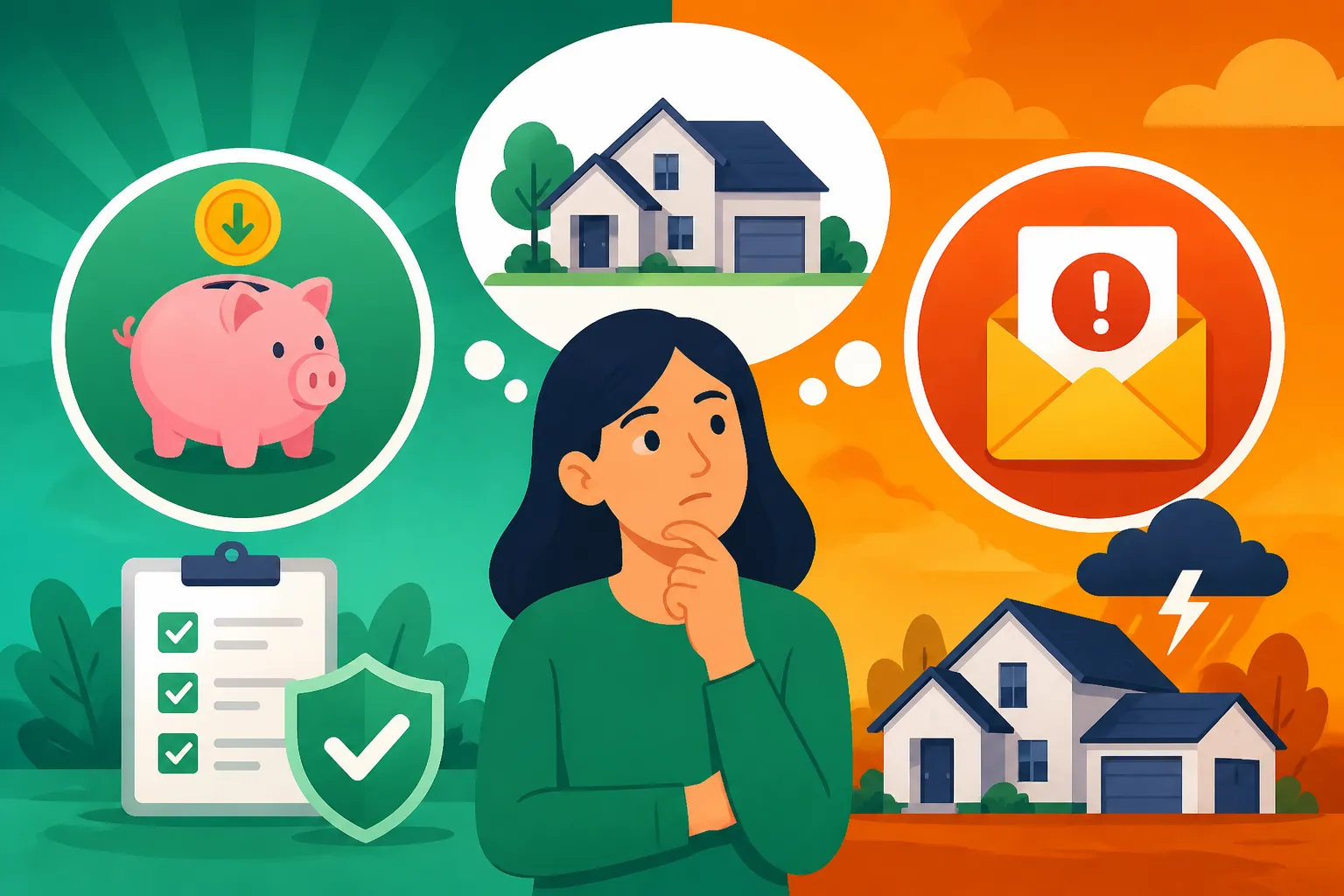
It’s that time of year again, isn't it? As the holidays approach and the calendar dwindles down, many of us start thinking about year-end finances, tax deductions, and whether there are any smart moves we can make before January 1st. One question that often pops up, especially for homeowners, is whether it makes sense to prepay property taxes before the year is out. This guide is here to untangle that very knotty question, exploring the whys and why-nots so you can make an informed decision for your own financial situation.
Why Homeowners Consider Prepaying Property Taxes
The idea of voluntarily paying a bill early might seem counterintuitive to some, but when it comes to property taxes, there are often specific reasons homeowners consider it. It's not about being overly eager; it's usually about strategic financial planning and trying to maximize legitimate tax benefits. Let's delve into the core motivations behind this thought process.
Boosting Itemized Deductions
For many years, one of the biggest drivers for prepaying property taxes was the ability to "bunch" deductions. If you itemize deductions on your federal income tax return, property taxes are generally deductible. By paying your property taxes for the upcoming year in the current tax year, you could potentially increase your total itemized deductions, which might push you over the standard deduction threshold. This was particularly attractive before recent tax law changes.
Imagine you're an Illinois homeowner. Your property tax bill for the first half of the year is typically due in June, and the second half in September of the following year. However, the assessment and levy are often determined in the prior year. If you receive your tax bill notice in late December, and you have enough disposable income, you might consider paying that second installment (which isn't due until the next year) before December 31st. This moves the deduction into the current year, potentially creating a larger itemized deduction for that tax period. For some, this strategy was a way to make their tax burden a little lighter, especially if they had other fluctuating deductions like medical expenses or charitable contributions. It was a classic move for homeowners who diligently tracked their finances, perhaps with tools like Stessa, to see where they could optimize.
Avoiding Late Penalties and Cash Flow Planning
Another, perhaps more straightforward, reason to prepay is simply to get ahead of the game and avoid any potential late penalties. While most property tax due dates are clearly communicated, life happens. Unexpected expenses can crop up, or perhaps you're planning a trip around the time a payment is due. For instance, in states like Texas, property taxes are typically due by January 31st of the following year. If you want to avoid a mad scramble or potential penalties if you forget, paying it early in December might offer peace of mind.
This also ties into personal cash flow management. Some people prefer to clear major expenses from their plate when they have the funds available, rather than waiting for a later due date. If you receive an annual bonus or a large payment towards the end of the year, it might feel more financially responsible to allocate some of those funds to your property tax bill rather than letting it sit and risk being spent elsewhere. It’s a proactive budgeting approach that helps you maintain control over your finances, ensuring that when the official due date rolls around, that money is already taken care of.
Understanding the Financial Implications and Tax Rules
While prepaying property taxes can seem like a clever move, it’s absolutely crucial to understand the very real financial and tax implications that have shifted significantly in recent years. What was once a widely recommended strategy has become more nuanced, primarily due to changes in federal tax law.
The Impact of the SALT Cap
The biggest game-changer for prepaying property taxes came with the Tax Cuts and Jobs Act (TCJA) of 2017. This legislation introduced the State and Local Tax (SALT) deduction cap, which limits the amount of state and local taxes (including property taxes, income taxes, and sales taxes) that can be deducted on federal income tax returns to a maximum of $10,000 per household. This cap applies whether you're single or married filing jointly.
Let's consider a scenario: Sarah, a homeowner in Westchester County, New York, pays $15,000 in property taxes annually and another $8,000 in state income taxes. Before the SALT cap, she could deduct the full $23,000. Now, with the $10,000 cap, only that amount is deductible, even if she prepays. If her total state and local taxes already exceed $10,000, prepaying additional property taxes won't provide any further federal tax deduction benefit. It would just be an early payment without the tax perk. For many homeowners in high-tax states like New Jersey, California, or New York, where property tax bills alone often exceed $10,000, this cap significantly diminishes the federal tax incentive for prepaying.
Mortgage Escrow Accounts and Prepayment Challenges
For a vast majority of homeowners, property taxes aren't paid directly out-of-pocket on an annual or semi-annual basis. Instead, they are typically included in your monthly mortgage payment and held in an escrow or impound account by your lender. Your lender then pays the property tax bill on your behalf when it's due. This system largely takes the burden of remembering due dates and making large lump-sum payments off the homeowner's shoulders. You can learn more about how this works by checking out our guide on Escrow & Impound Accounts Explained.
If your property taxes are paid via escrow, prepaying directly to the taxing authority can become complicated. Here's why:
- Duplicate Payment: If you prepay your property taxes directly, your mortgage lender will still draw the funds from your escrow account to pay the bill when it's officially due, potentially resulting in a duplicate payment. You'd then need to work with the taxing authority to get a refund, which can be a hassle and tie up your funds for weeks or months.
- Escrow Imbalance: Even if you manage to coordinate with your lender, prepaying can throw your escrow account into disarray. Your lender calculates your monthly escrow contribution based on the anticipated annual property tax amount. If you suddenly pay a large chunk of that directly, your escrow account might show a surplus, which could lead to an adjustment in your monthly mortgage payment or an escrow refund check. While a refund sounds nice, it means your future monthly payments might be lower than planned, and you'll still need to ensure enough funds are in escrow for the next tax cycle.
- Lender Permission: Some mortgage agreements explicitly state that the lender is responsible for paying property taxes from the escrow account and may even prohibit direct payments to avoid complications. Always consult your loan servicer if you're considering a direct prepayment when you have an escrow account. Services like LendingTree can provide resources to help homeowners understand their mortgage terms and payment options.
How to Determine if Prepaying is Right for You
Given the complexities and the SALT cap, prepaying property taxes isn't a one-size-fits-all solution anymore. It requires careful consideration of your unique financial situation and tax landscape. Here's how to approach the decision.
Reviewing Your Tax Situation and Itemization
The absolute first step is to assess your current and projected tax situation. Are you itemizing deductions or taking the standard deduction? For the 2023 tax year, the standard deduction is $13,850 for single filers and $27,700 for married couples filing jointly. If your total itemized deductions (which include state and local taxes up to $10,000, mortgage interest, charitable contributions, etc.) are less than the standard deduction, then prepaying property taxes for a federal tax benefit is likely a moot point.
Even if you itemize, consider the $10,000 SALT cap. Add up all the state and local taxes you've already paid or will pay in the current year. This includes state income tax (or sales tax if you choose to deduct that instead), property taxes already paid, and any other local taxes. If this sum already hits or exceeds $10,000, then prepaying more property taxes won't give you any additional federal deduction. The only reason to prepay in this scenario might be for cash flow management or to avoid late penalties, not for tax savings. If you're unsure how to calculate your itemized deductions or predict your tax liability, consulting with a qualified tax professional is always a smart move. They can provide personalized advice based on your specific income, deductions, and state tax laws.
Understanding Your Local Tax Authority's Rules
Different jurisdictions have different rules regarding when and how property taxes can be paid. Some counties or cities might send out early notices for the upcoming year's taxes, often in late November or December, allowing for early payment. Others might not finalize their tax rolls or issue statements until well into the new year, making prepayment impossible or at least not advisable before an official bill is issued.
For example, in California, the first installment of property taxes is typically due November 1st, and the second on February 1st. Many homeowners in counties like Los Angeles County or San Diego County will receive their annual tax bill in September or October. If they want to prepay the second installment (due February 1st of the next year), they often have the option to do so before December 31st. However, you'll need to confirm with your specific county tax assessor's office. You can usually find this information on their website or by calling their office. Look for details on how to read your property tax bill to ensure you understand exactly what you're paying. Some systems allow online payments, while others might require mailing a check.
| Factor | Consideration for Prepaying Property Taxes |
|---|---|
| Federal Tax Deduction | Will my total itemized deductions, including this prepayment, exceed the standard deduction? Does my total state and local tax liability already exceed the $10,000 SALT cap? If so, no additional federal benefit. |
| Mortgage Escrow | Do I have an escrow account? If yes, prepayment can cause complications like duplicate payments or escrow imbalances. Speak to your lender before making any direct payments. |
| Cash Flow | Do I have ample liquid cash at year-end that won't be needed for other expenses or emergencies? Is it better for my personal budgeting to clear this expense now rather than later? |
| Local Tax Rules | Does my local taxing authority allow prepayment? Is the bill for the upcoming year finalized and issued before year-end? What are their accepted payment methods for early payments? |
| State Tax Benefits | Are there any state-specific tax benefits for prepaying property taxes? (Less common, but worth investigating if you live in a state with unique tax laws). |
| Opportunity Cost | Is the money I would use for prepayment better off being saved, invested, or used to pay down high-interest debt? Tying up cash early means it's not available for other uses. |
Consulting Financial Tools and Professionals
Making this decision often benefits from solid financial planning. Online tools, like those offered by LendingTree, can help you visualize your overall financial picture, including budgeting for large expenses. For those with investment properties or who are meticulously tracking their home finances, platforms like Stessa can be incredibly useful for monitoring income, expenses, and tax implications, helping you see the full scope of your property-related costs.
However, no online tool can replace personalized advice. If you're on the fence, or if your financial situation is complex (e.g., you own multiple properties, have recently refinanced, or are nearing retirement), speaking with a certified public accountant (CPA) or a financial advisor is highly recommended. They can look at your entire financial landscape, including your income, other deductions, investment goals, and local tax laws, to provide tailored guidance. They can also help you understand how prepaying might interact with other tax strategies or deductions you're planning to take.
Potential Downsides and Things to Watch Out For
While the potential for tax savings or simply better budgeting can be appealing, it's equally important to be aware of the potential drawbacks and pitfalls of prepaying your property taxes. Rushing into this decision without full understanding could lead to unforeseen issues.
Tying Up Liquid Cash
One of the most immediate downsides to prepaying a large expense like property taxes is that it ties up a significant amount of your liquid cash. Let's say your annual property tax bill is $6,000, and you decide to pay the full amount in December, even though the second half isn't due until summer. That's $6,000 that's no longer sitting in your bank account, earning interest, or available for emergencies.
What if an unexpected medical bill comes up in January? Or your car breaks down? If that prepaid cash was your emergency fund, you could find yourself in a tight spot. It's crucial to ensure you have a robust emergency fund in place, typically three to six months of living expenses, before considering prepaying any bills that aren't absolutely necessary. The opportunity cost of that cash – what else you could have done with it – should always be a consideration. Could it have paid down high-interest credit card debt? Or contributed to an investment account that might yield higher returns than any marginal tax savings? These are important questions to ask yourself.
Changes in Property Value or Tax Rates
Property values and tax rates aren't set in stone; they can change. While most jurisdictions try to provide accurate estimates for the upcoming year, there's always a slight possibility of adjustments. For instance, if your area undergoes a Property Tax Assessment & Reassessment Explained, your assessed value could change, impacting your final tax bill. If you prepay based on an estimated amount, and the actual bill turns out to be lower, you've overpaid and will need to wait for a refund from the tax collector, which can take time.
Conversely, if the actual bill is higher, you'll still owe the difference, negating some of the "getting ahead" feeling. This uncertainty is usually minor but worth noting. Most counties will issue official tax bills, and only then is it truly safe to prepay a precise amount. Prepaying before an official bill is released, based purely on an estimate, carries a small risk of miscalculation. Moreover, sometimes new levies or bond measures can be approved, subtly altering the final tax rate that applies to your property, making early estimates less reliable.
Mortgage Lender Issues and Escrow Shortages
As touched upon earlier, if you have an escrow account, bypassing your lender to prepay property taxes can lead to issues. Even if you manage to avoid a duplicate payment, you could end up with an escrow shortage or surplus later in the year, as your lender adjusts for the unexpected direct payment. An escrow shortage could mean your monthly mortgage payments increase to make up the difference, which can be an unwelcome surprise. You might then find yourself asking, Why Did My Escrow Payment Go Up?.
It's vital to communicate with your mortgage servicer if you have an escrow account and are considering prepaying. Some lenders might offer options to adjust your escrow if you make a lump-sum payment, but it’s not guaranteed. Always get their guidance in writing to avoid future disputes. Remember, the primary purpose of an escrow account is for the lender to ensure that property taxes and insurance are paid on time, protecting their investment. Any deviation from that process should be handled with their explicit knowledge and, ideally, approval.
Other Important Considerations for Year-End Property Tax Planning
Beyond the core decision of prepaying, there are a few other angles to consider as the year winds down, ensuring you're managing your property taxes as effectively as possible.
Understanding Your Property Tax Bill and Due Dates
It sounds basic, but knowing the specifics of your property tax bill is foundational. Property tax structures vary wildly by state and even by county. In some states, like New Jersey, property taxes are paid quarterly. In others, like California, they are typically semi-annually. Texas often has a single annual payment due by January 31st for the prior year’s taxes. Understanding these local nuances is critical. Our guide on Property Tax Due Dates by State can offer a good starting point to know what's typical for your area.
Make it a point to actually read your official tax bill when it arrives. It's more than just a number; it breaks down how your tax money is allocated to different taxing districts (schools, city, county, special districts, etc.). This transparency helps you understand what services your tax dollars fund. If you believe there’s an error on your bill or your assessment seems too high, you might even consider exploring How to Lower Your Property Tax Assessment or initiating an appeal, though these processes have specific deadlines, often earlier in the year.
Utilizing Property Tax Payment Plans
If you're facing a large property tax bill and worried about cash flow, prepaying might not be the answer. Instead, look into whether your local tax authority offers payment plans. Many counties understand that a lump-sum payment can be a burden and provide options for installment payments or deferrals, especially for seniors or those facing financial hardship.
For example, some jurisdictions might allow you to pay your annual tax bill in several smaller installments throughout the year, even if it's not automatically escrowed. This helps spread out the financial impact. In some areas, there might be specific Property Tax Installment & Deferral Plans available. It’s always worth contacting your local tax collector’s office to inquire about these options before feeling pressured to prepay or, worse, falling behind. They are usually more willing to work with homeowners who communicate their needs proactively.
Considering Your Overall Financial Strategy
Ultimately, the decision to prepay property taxes should fit into your broader financial picture. It's not just about one specific tax deduction; it's about how this action impacts your liquidity, investment strategy, debt management, and overall financial health.
- Emergency Savings: As mentioned, never sacrifice your emergency fund for a property tax prepayment.
- High-Interest Debt: If you have credit card debt or other high-interest loans, using available cash to pay down that debt almost always yields a better return than a potential property tax deduction, especially with the SALT cap.
- Investment Goals: If you have funds earmarked for investments, consider whether the potential tax benefit of prepayment outweighs the potential returns from those investments.
- Future Plans: Are you planning a major home renovation, a significant purchase, or a career change? Keeping your cash liquid might be more beneficial for future flexibility.
By thinking holistically, you can avoid making a year-end tax move that might inadvertently hinder other, more critical, financial goals. Tools like LendingTree can also help you explore options for managing debt or securing loans if you're struggling with large expenses, offering a safety net if your financial planning needs adjustment.
Final Thoughts on Prepaying Property Taxes
The landscape for prepaying property taxes has definitely changed, mainly due to the $10,000 federal SALT cap. What was once a relatively common strategy for many itemizing homeowners now makes sense for a much smaller group. For most, especially those with mortgage escrow accounts or those whose state and local taxes already exceed the cap, the federal tax benefits are likely non-existent.
However, the decision isn't purely about federal taxes. It can still be a viable strategy for sound cash flow management, offering peace of mind by getting a large bill out of the way, or simply avoiding potential late penalties. Just remember to do your homework: check your individual tax situation, confirm with your mortgage lender if you have an escrow account, and always verify with your local tax authority regarding accepted prepayment methods and official bill releases. A little planning now can save you a lot of headaches later.
Disclaimer
This article is for general informational purposes only and does not constitute professional advice. Laws and regulations vary by location and change over time. Consult a qualified professional for guidance on your specific situation.