How to Pay Property Taxes on a Paid-Off House
It's a fantastic feeling, isn't it? That moment you make your last mortgage payment, celebrate becoming a homeowner free and clear, and dream of a future with one less huge bill. Then, a few months later, the property tax bill arrives, often feeling like a splash of cold water. You paid off your house, so why are you still getting a tax bill? This guide will walk you through exactly how property taxes work once your mortgage is a thing of the past and the best ways to ensure you keep your home safely yours.
Understanding Property Taxes When Your Mortgage is Gone
It’s easy to get swept up in the excitement of paying off your home loan. You picture those extra hundreds, or even thousands, of dollars staying in your bank account each month. And for the principal and interest portion of your mortgage payment, that’s absolutely true! But property taxes, along with homeowner's insurance, are an entirely different beast. They don't magically disappear with your mortgage.
The Myth of "No More Payments"
Let's address the elephant in the room: many homeowners mistakenly believe that once the mortgage is paid off, all housing payments cease. This couldn't be further from the truth. Your mortgage payment, often referred to as PITI (Principal, Interest, Taxes, and Insurance), is a bundled payment. The principal and interest are what you owe the lender for borrowing money to buy the house. The taxes and insurance, however, are payments collected by the lender and held in an escrow account on your behalf, then paid out to the county tax assessor and your insurance company when they're due.
When you pay off your mortgage, that escrow account goes away. Your lender is no longer responsible for collecting and remitting these funds. This means the onus shifts entirely to you, the homeowner, to manage and pay these costs directly. It's a common oversight that can lead to unexpected bills and, in some cases, serious financial stress if you haven't planned for it. The change in responsibility is the biggest adjustment, and often, it catches folks off guard.
Why Property Taxes Still Matter
Property taxes are not some arbitrary fee; they are a fundamental part of funding local public services that benefit you and your community every single day. Think about it: the quality of your local schools, the condition of the roads you drive on, the efficiency of your fire and police departments, and even your public parks and libraries – all are heavily reliant on property tax revenue. Without these taxes, those services would suffer dramatically, directly impacting your quality of life and even your property value.
For instance, in a place like suburban Dallas or Houston, your property taxes directly fund the independent school districts, county services, and city amenities. If you have kids or grandkids in public school, or simply appreciate well-maintained infrastructure, you're directly benefiting from these taxes. Ignoring them isn't just a matter of avoiding a bill; it's a matter of undermining the very foundation of your community. The consequences of non-payment are severe, ranging from penalties and interest to, ultimately, the potential loss of your home through a tax lien sale or foreclosure. You might be surprised to learn about What Happens If You Don't Pay Property Taxes?.
Your Options for Paying Property Taxes Directly
Once your mortgage is paid off, the responsibility for property taxes falls squarely on your shoulders. The good news is that most local tax collection offices offer several convenient ways to pay, so you can choose what works best for your financial habits.
Online Payment Portals
This is by far the most popular and often the easiest method for many homeowners today. Nearly all county tax assessor-collector offices across the country, from Los Angeles County to Cook County, Illinois, offer online payment options. You typically visit their official website, navigate to the property tax payment section, and search for your property using your address, parcel number, or owner name.
Once you find your bill, you'll usually have a few choices:
- E-Check/ACH Transfer: This involves directly linking your bank account. It's often free or has a very low transaction fee, making it a cost-effective choice. It's essentially like paying with a digital check.
- Credit Card: Many people appreciate the convenience and potential rewards of paying with a credit card. However, be aware that most tax offices charge a convenience fee for credit card payments, which can range from 1.5% to 3% of the payment amount. For a large property tax bill, this fee can add up quickly, so always factor that into your decision.
- Debit Card: Similar to credit card payments, debit card payments might also incur a processing fee, though sometimes it's slightly lower.
Always double-check the URL to ensure you're on the official government website to avoid scams. After payment, save or print your confirmation number and receipt for your records.
Mail-In Payments
For those who prefer a more traditional approach, or simply don't trust online transactions, mailing a check is still a widely accepted method. When your property tax bill arrives, it will almost always include a detachable stub with the payment address. Fill out a check, make it payable to the correct entity (e.g., "County Tax Assessor" or "Treasurer and Tax Collector"), and include your property's parcel number or account number on the memo line to ensure it's applied correctly.
A critical piece of advice here: consider sending your payment via certified mail with a return receipt requested. This provides undeniable proof that you sent your payment and that the tax office received it, along with the date of receipt. If there's ever a dispute about a late payment or a lost check, this documentation can be invaluable. Don't just drop it in a mailbox and hope for the best, especially as deadlines approach. Always mail it well in advance of the due date, keeping in mind postal service delays.
In-Person Payments
If you like face-to-face interaction or need to pay with cash, in-person payments are typically an option. You'll need to locate your county's tax assessor-collector's office or the treasurer's office. In larger counties, like Miami-Dade in Florida or Harris County in Texas, these offices can be busy, especially closer to property tax deadlines.
When paying in person, always bring:
- Your property tax bill or a copy of your parcel number.
- Your preferred payment method (check, money order, cash, or credit/debit card, keeping in mind potential fees).
- A photo ID, just in case.
Be prepared for potential wait times, especially if you're going during peak hours. Some offices may also have drop boxes for check or money order payments outside of regular business hours, offering a secure alternative to mailing. It's always a good idea to call ahead or check the county website for office hours and specific payment policies.
Setting Up Payment Plans or Installments
Not every county or state offers this, but it's definitely worth investigating if a single large annual payment feels overwhelming. Some jurisdictions understand that a big lump sum can be a burden and provide options for paying your property taxes in installments. For example, in many parts of Texas, if your annual property tax bill exceeds a certain amount, you might be eligible for quarterly installment payments.
To find out if this is an option for you, check your county tax assessor's website or call their office directly. They can explain the eligibility requirements, how to apply, and the payment schedule. These plans often come with specific deadlines for each installment, and missing one could result in penalties. While it might not reduce your overall tax burden, spreading out the payments can certainly make budgeting easier and prevent financial strain. Remember to check the specific rules in your area, as they can vary greatly, even among neighboring counties.
Key Considerations and Best Practices for Paid-Off Homes
Transitioning from escrow payments to direct property tax payments requires a shift in how you manage your home finances. It's not just about finding a payment method; it's about developing new habits to stay on top of this crucial financial responsibility.
Tracking Your Tax Bill
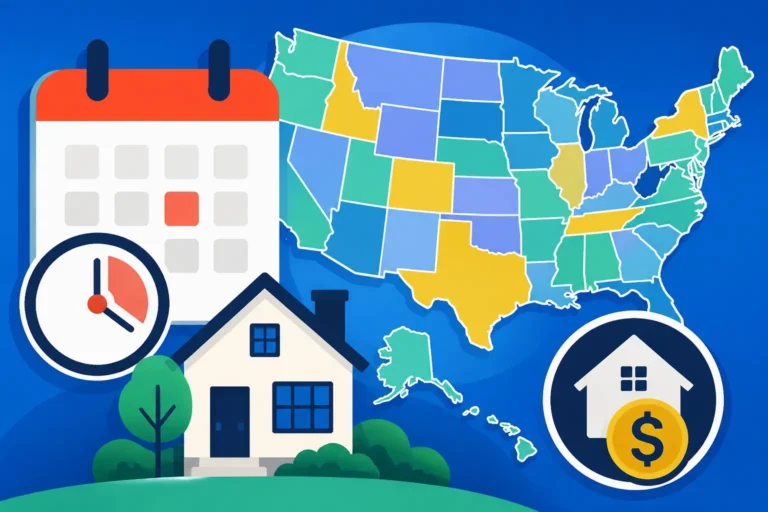
When a mortgage company handles escrow, they receive the tax bill and deal with it. When you're mortgage-free, that bill comes directly to you. This means you need to be diligent about watching for it. Most counties mail out property tax bills once a year, typically in the fall or early winter, with payments usually due by the end of the year or early the following year. However, these timelines can vary significantly from state to state. It's smart to familiarize yourself with Property Tax Due Dates by State.
Beyond waiting for the mail, proactively check your county tax assessor's website. Most offer a property tax lookup tool where you can input your address and view your current and past tax bills. This is incredibly helpful if your bill gets lost in the mail or if you want to verify the amount before it even arrives. Make a note on your calendar for when to expect the bill and when the payment is due. This proactive approach ensures you're never caught off guard.
Budgeting for Annual or Semi-Annual Payments
Without an escrow account, you're responsible for setting aside money for your property taxes. This is perhaps the biggest adjustment. Instead of the money being automatically taken out of your monthly mortgage payment, you now need to actively save for it. Treat your property tax bill like any other large, predictable expense.
Here’s a simple strategy: Divide your annual property tax bill by 12. That's the amount you should aim to set aside each month into a separate savings account. Many homeowners find it helpful to create a dedicated "property tax savings" account. This way, when the bill arrives, the money is already there, waiting. Financial tracking tools like Stessa can be incredibly helpful here, allowing you to categorize savings and track your progress toward your annual tax goal. It keeps you organized and helps prevent that last-minute scramble. Think of it as creating your own personal escrow account, but one that you control.
Avoiding Penalties and Delinquencies
Missing a property tax deadline can be costly. Every jurisdiction has specific penalties for late payments, which can include interest charges that accrue monthly and additional fees. These can quickly add up, turning an already substantial bill into an even larger one. For instance, in many parts of the country, if you miss the initial deadline, a late fee and interest might be applied immediately, with the percentage increasing the longer the bill remains unpaid.
The most severe consequence of delinquency is the risk of a property tax lien being placed on your home, or even a tax deed sale or foreclosure. While it takes time for this to happen, counties are legally empowered to take action to collect unpaid taxes. To avoid this, always pay on time. If you realize you're going to miss a deadline, contact your tax office immediately. They may offer a short grace period, allow you to set up a payment arrangement (as discussed earlier), or at least inform you of the exact penalties so you know what to expect. Being proactive and communicating can make a huge difference.
Seeking Exemptions and Relief
Don't assume your property tax bill is set in stone. Many states and local jurisdictions offer various exemptions and relief programs that can significantly reduce your taxable value and, consequently, your tax bill. These are particularly important for homeowners on fixed incomes, such as retirees.
Common exemptions include:
- Homestead Exemptions: These typically apply to your primary residence and can reduce a certain portion of your home's assessed value from taxation. Nearly every state offers some form of homestead exemption. Find out more about the Homestead Exemption: Complete State-by-State Guide.
- Senior/Elderly Exemptions: Many states offer additional property tax breaks or freezes for homeowners above a certain age (e.g., 65 or 70), often with income limitations. This is a huge benefit for seniors living on fixed incomes. Our guide on Senior & Over-65 Property Tax Exemptions and Freezes has more details.
- Veteran & Disabled Exemptions: Veterans, especially those with service-connected disabilities, often qualify for substantial property tax relief.
- Disability Exemptions: Some states offer exemptions for homeowners with disabilities, regardless of veteran status.
The key is to apply for these exemptions. They are not usually automatic. You'll typically need to fill out an application form with your county tax assessor's office and provide supporting documentation. Make sure you understand the application deadlines, as they are often strict. Even a small exemption can lead to meaningful savings over time.
What If You're Struggling to Pay?
Even with careful planning, sometimes life throws a curveball, and meeting that annual property tax bill can become a genuine challenge. It's a stressful situation, but you're not without options. Ignoring the problem is the worst thing you can do.
Exploring Deferral Programs
For certain homeowners, particularly seniors, low-income individuals, or those with disabilities, some states and counties offer property tax deferral programs. These programs allow eligible homeowners to postpone paying their property taxes, with the accumulated taxes and interest typically becoming due when the home is sold, transferred, or the owner passes away.
Think of it as a low-interest loan against your home equity, specifically for property taxes. Eligibility requirements can be quite strict, often involving age, income, and equity limits. For instance, California has a robust property tax postponement program for seniors and disabled homeowners. It’s important to understand that deferral doesn't mean forgiveness; the taxes still have to be paid eventually. However, it can provide crucial short-term relief for those facing financial hardship. Research the specific deferral programs available in your state; our guide on Property Tax Deferral Programs by State can be a great starting point.
Appealing Your Property Assessment
A common reason for a high property tax bill is an over-assessment of your home's value by the local tax appraisal district. Tax assessors aim for fairness, but they can make mistakes, especially in rapidly changing markets. If you believe your home's assessed value is higher than its actual market value or higher than comparable properties in your neighborhood, you have the right to appeal.
The appeal process typically involves submitting a formal protest to your local appraisal review board. You'll need to gather evidence, such as recent sales of comparable homes (comps), photos of any deferred maintenance on your property, or professional appraisal reports. Many homeowners successfully reduce their property tax bills by challenging their assessment. While it might seem daunting, it's a fundamental right as a property owner. Learn more about How to Appeal Property Taxes: Complete Guide to understand the steps involved. Even if you don't hire a professional, understanding the process can empower you to save money.
Getting Professional Guidance
If you're truly struggling or feeling overwhelmed by the complexities of property taxes, don't hesitate to seek professional help.
- Financial Planners: A certified financial planner can help you integrate property tax payments into your overall budget, identify areas for savings, and explore long-term strategies.
- Tax Advisors: For specific tax questions, especially related to exemptions or understanding your bill, a tax advisor or enrolled agent can provide tailored advice.
- Local Non-Profits: Many communities have non-profit organizations or senior citizen centers that offer free or low-cost assistance with understanding property tax bills, applying for exemptions, or navigating deferral programs. They can be an invaluable local resource.
- Property Tax Protest Companies: If you're considering an appeal but feel intimidated, there are companies specializing in property tax protests, like Ownwell or O'Connor, that can handle the entire appeal process for you, often on a contingency basis (they only get paid if they save you money). Even platforms that deal with home equity and finance, like LendingTree, can sometimes provide resources that help you understand your home's value, which can be an indirect aid in understanding if your property is over-assessed. While they don't directly handle appeals, a better understanding of your home's true market value can inform your protest strategy.
Reaching out for help is a sign of strength, not weakness, especially when dealing with something as critical as keeping your home secure.
Property Tax Payment Methods Comparison
To help you decide the best way to handle your property tax payments now that your mortgage is paid off, here's a quick comparison of the common methods:
| Payment Method | Pros | Cons | Ideal For |
|---|---|---|---|
| Online (E-Check) | Convenient, often free/low fee, instant confirmation. | Requires accurate bank info, potential for errors if mis-entered. | Tech-savvy individuals, those preferring digital records, budget-conscious. |
| Online (Credit Card) | Convenient, potential rewards, payment flexibility. | Almost always incurs a processing/convenience fee (1.5-3%). | Earning rewards, needing short-term float, willing to pay convenience fee. |
| Mail-In Check | Traditional, paper trail, no digital fees. | Relies on postal service (delays), requires certified mail for proof. | Those uncomfortable with online payments, prefer physical checks. |
| In-Person | Direct interaction, immediate receipt, cash accepted. | Can involve wait times, requires travel, limited office hours. | Cash payments, needing direct assistance, local residents. |
| Installment Plan | Spreads out payments, easier budgeting. | Not universally available, strict deadlines for each installment. | Homeowners who prefer smaller, regular payments over one lump sum. |
Disclaimer
This article is for general informational purposes only and does not constitute professional advice. Laws and regulations vary by location and change over time. Consult a qualified professional for guidance on your specific situation.