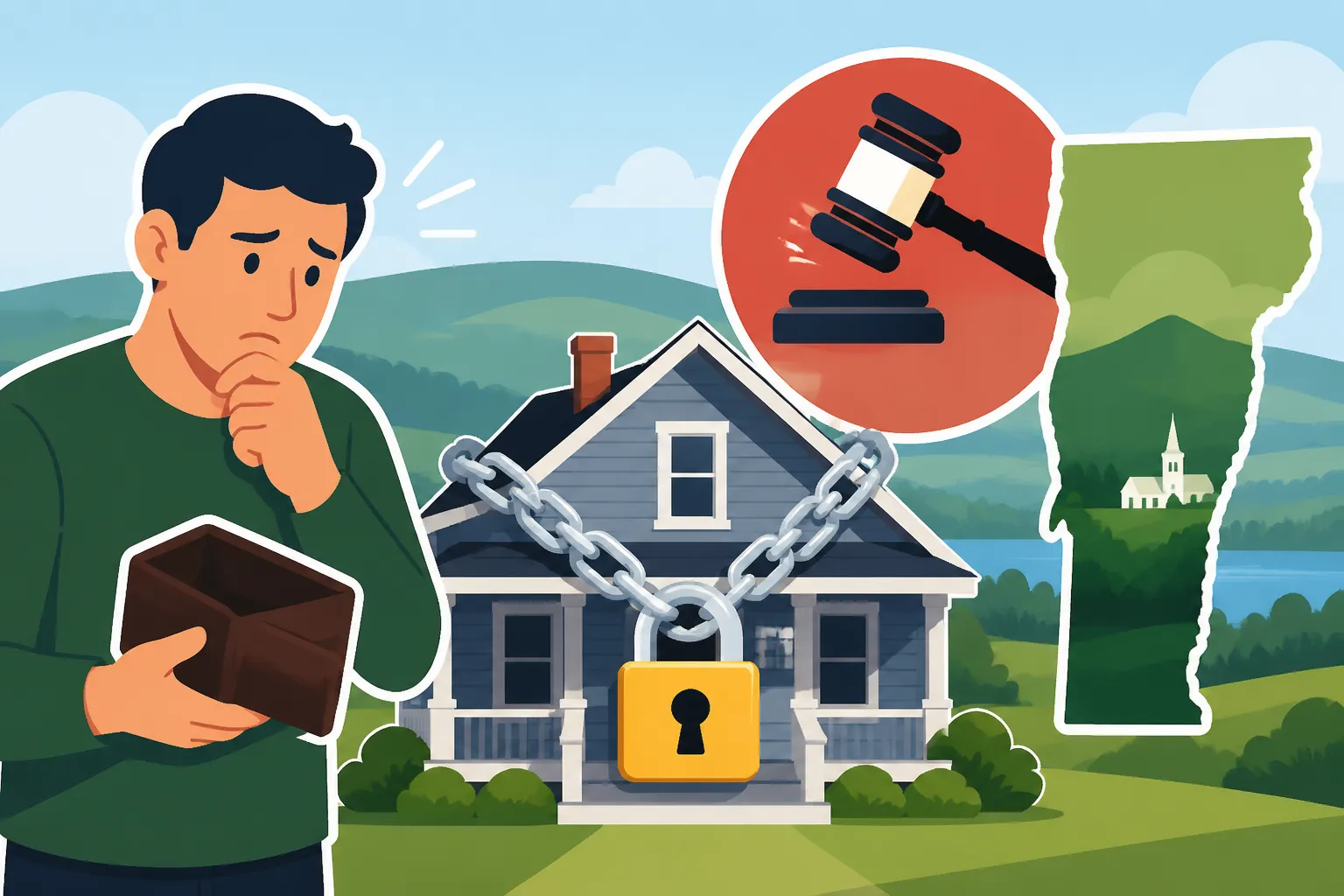
What Happens If You Don’t Pay Property Taxes in Vermont?
It's incredibly stressful when those property tax bills start piling up, especially in a beautiful state like Vermont where every penny counts towards maintaining our tight-knit communities and stunning landscapes. Missing a payment can feel like a small slip, but the truth is, the consequences can quickly escalate, putting your cherished home at risk. This guide is here to walk you through exactly what happens if you don't pay your property taxes in Vermont, from the first late notice to the potential for losing your home, and crucially, what steps you can take to prevent that outcome.
The Initial Stages of Delinquency in Vermont
Life happens. Maybe a medical emergency drained your savings, a job loss hit hard, or you simply misplaced that bill in the flurry of daily life. Whatever the reason, if your property tax payment due date passes in Vermont without payment, you're officially in delinquency territory. It's a scary place to be, but understanding the first few steps can help you prepare and act quickly.
Missed Deadlines and Initial Penalties
In Vermont, property tax due dates aren't uniform across the entire state. Each individual town and city sets its own schedule, which can sometimes be confusing for homeowners, especially if you've moved from another area or even another town within Vermont. For instance, the City of Burlington might have a different schedule than a smaller town like Stowe or Colchester. Typically, you'll see payments due in installments throughout the year, often in the summer and fall. Your local municipal office or tax bill will clearly state these dates.
The moment you miss a due date, penalties kick in. Vermont law allows municipalities to charge interest on delinquent taxes. This isn't just a slap on the wrist; these interest rates can be significant and compound over time, making your original bill grow steadily. Many towns also implement a flat late fee on top of the interest. Imagine your tax bill was $3,000, and you missed a payment. With a 1% interest rate per month and a $50 late fee, that bill can quickly become $3,050, then $3,080 the next month, and so on. It's a snowball effect that can make catching up feel overwhelming, but it’s vital to address it as soon as possible before it spirals further.
The Role of the Delinquent Tax Collector
Once your property taxes become delinquent, your town's tax collector steps in. This isn't just a bureaucratic title; in Vermont, the delinquent tax collector holds significant authority under state law, specifically Title 32, Chapter 133 of the Vermont Statutes Annotated, which outlines the process for collecting overdue property taxes. Their primary role is to pursue the collection of unpaid taxes on behalf of the municipality. This means they are responsible for notifying you, imposing penalties, and, if necessary, initiating the process that could lead to your property being sold to recover the unpaid taxes.
You'll likely start receiving official warning notices in the mail. These aren't just polite reminders; they are legally mandated communications designed to inform you of your delinquency, the penalties accrued, and the impending steps if payment isn't made. These notices are crucial because they serve as a formal record that the town has attempted to contact you and that you are aware of your outstanding debt. Ignoring them won't make the problem go away; in fact, it only accelerates the timeline toward more severe consequences. These notices often detail the exact amount owed, including original taxes, interest, and any collection fees, giving you a clear picture of what needs to be paid to stop the process in its tracks.
The Path Towards a Tax Sale
If delinquent taxes continue to go unpaid, despite the notices and increasing penalties, the town or city in Vermont will eventually move towards a "tax sale." This is a legal process where your property is put up for public auction to recover the outstanding tax debt. It's a serious step, and understanding how it works can help you grasp the urgency of addressing your tax situation.
The Tax Sale Warning and Public Notice
Before any property can be put up for a tax sale, the delinquent tax collector must issue a formal "Tax Sale Warning." This is a highly specific legal document that explicitly states the intent to sell your property if the taxes, interest, and fees are not paid by a certain date. This warning is typically served directly to the homeowner and also published in a local newspaper of general circulation, and often posted in public places like the town clerk's office. This public notice serves to inform potential bidders about the upcoming sale and ensures that the legal requirements for due process are met.
The notice will include details such as the property's description, the name of the owner, the amount of delinquent taxes owed, and the date, time, and location of the tax sale. It's a final, official signal that the situation has reached a critical point. If you receive one of these, it's a clear indication that you need to act immediately. At this stage, merely paying the original tax amount won't suffice; you'll need to pay the entire accumulated balance, including all penalties, interest, and the costs associated with advertising and preparing for the sale. This comprehensive guide on How to Read Your Property Tax Bill can help you decipher exactly what you owe.
The Tax Sale Auction Process
When the specified date arrives, if the taxes remain unpaid, the delinquent tax collector will proceed with the public auction. This event, often held at the town hall, isn't quite what you might imagine if you've only seen dramatic movie depictions. Properties are sold to the highest bidder, but it's important to understand what exactly is being sold. In Vermont, when a property is sold at a tax sale, the purchaser doesn't immediately receive clear ownership (a deed) to the property. Instead, they receive a "tax collector's deed" which is conditional. This deed grants them the right to the property subject to the original owner's right of redemption.
The bidding starts at the amount of delinquent taxes, interest, and costs owed to the municipality. Bidders compete to offer the highest amount above this minimum. The money collected at the sale is used to satisfy the town's claim, and any surplus above that amount is held by the town for the original homeowner, though reclaiming it can be another legal process. It's a complex system designed to allow municipalities to collect their necessary revenues while still providing some protections for homeowners, albeit temporary ones. If you're looking for ways to keep your finances in check and prevent such situations, consider tools like Stessa, which helps many property owners track their income and expenses to stay on top of their financial obligations.
Understanding the Redemption Period
The tax sale itself isn't the final word on property ownership in Vermont. The state's laws include a crucial safety net for homeowners: the redemption period. This period provides a specific window of time during which the original owner can reclaim their property, even after it has been sold at a tax auction.
Your Right to Reclaim Your Property
In Vermont, the law typically provides a one-year redemption period after a tax sale. This means that for a full year after the auction date, the original homeowner has the absolute right to "redeem" their property. To do this, you must pay back the tax sale purchaser all the money they paid at the auction, plus any additional costs they incurred, such as property taxes they paid during the redemption period, legal fees, and often a statutory interest rate on that total amount. This interest rate can be significant, sometimes as high as 1% per month (12% per year) in addition to the original interest on the delinquent taxes.
It's a lifeline, a chance to gather funds, perhaps through a loan or by selling other assets, to prevent the permanent loss of your home. During this time, you typically retain possession of your property. The tax sale purchaser cannot immediately move in or make significant changes. The idea is to give the original owner a fair opportunity to rectify the situation. Many towns are willing to work with homeowners on payment plans even before a tax sale, so don't hesitate to reach out to your local tax collector. Understanding Property Tax Installment & Deferral Plans can be incredibly helpful in these scenarios.
The Consequences of Non-Redemption
If, however, the redemption period expires and the original homeowner has not paid back the tax sale purchaser the full amount required, the situation becomes dire. At this point, the tax sale purchaser has the right to move forward to obtain a clear, unencumbered deed to the property. This typically involves a "quiet title" action in court, where they legally confirm their ownership and extinguish any remaining claims by the original owner.
Once this legal process is complete and the tax sale purchaser receives a clear deed, the property is permanently lost to the original homeowner. There are no further appeals or opportunities to reclaim it. It's a final and irreversible consequence of unpaid property taxes. This is why acting during the redemption period is so critical. Losing your home due to unpaid taxes is a devastating event, and it underscores why understanding your options and acting quickly is paramount. For homeowners grappling with the intricacies of property values and assessments, our guide on Assessed Value vs Market Value vs Taxable Value can provide valuable context for understanding your tax burden.
Strategies to Avoid Losing Your Vermont Home
The thought of losing your home over unpaid property taxes is terrifying, but it's important to remember that there are often steps you can take to prevent this, even if you're already behind. Proactivity and understanding your options are your best defenses.
Proactive Communication and Payment Plans
The absolute best thing you can do if you're struggling to pay your property taxes in Vermont is to contact your town's tax collector immediately. Seriously, don't wait for the notices to pile up. Many municipalities are far more willing to work with homeowners who come forward and communicate their difficulties. Ignoring the problem only makes it worse and limits their ability to help.
Often, tax collectors can help you set up a payment plan. This might involve breaking down the delinquent amount into smaller, manageable installments over a set period, sometimes along with your current tax obligations. While you'll still accrue interest, a payment plan can stop the more aggressive collection actions, like a tax sale, and give you breathing room to catch up. They might also be able to explain the exact calculations for interest and penalties, making it less of a mystery. Organizations like Vermont Legal Aid can also offer free legal advice and assistance to low-income residents facing property tax issues, helping you navigate the system and understand your rights.
Exploring Financial Assistance and Loans
Beyond working with your local tax collector, there are other avenues to explore if you're facing property tax delinquency. Vermont, like many states, offers various programs to assist homeowners. While a direct "property tax assistance fund" might not be universal, there are broader programs or local initiatives that could help. For instance, Vermont has a Property Tax Adjustment Claim process, often referred to as the "Homestead Declaration," which can reduce your property tax bill based on your income and property value. It's worth checking if you qualify for these or other local programs designed to help low-income residents or seniors. You can learn more about specific programs in our comprehensive Homestead Exemption: Complete State-by-State Guide.
If direct assistance isn't available or sufficient, exploring loan options might be necessary. While you should always be cautious with loans, especially those that target distressed homeowners, a carefully considered personal loan or even a refinance of your existing mortgage could provide the funds needed to pay off your delinquent taxes. Platforms like LendingTree can be a good starting point to compare rates and terms from various lenders without committing to anything. Just remember to shop around and ensure the terms are sustainable for your financial situation. Keeping your finances organized can also help prevent these issues in the first place; financial management tools can track expenses, income, and tax obligations, helping you budget proactively.
Understanding Exemptions and Appeals
Sometimes, the issue isn't just an inability to pay, but a belief that your property has been unfairly assessed. It's crucial to understand how your Property Tax Assessment & Reassessment Explained works. In Vermont, you have the right to appeal your property’s assessed value if you believe it's higher than the fair market value. An over-assessed property means you're paying more in taxes than you should be.
Every town in Vermont has an listers' office (similar to an assessor's office elsewhere) that determines property values. If you disagree with their valuation, you can appeal to the Board of Civil Authority in your town. This process usually involves providing evidence that comparable properties in your area have sold for less, or that there are issues with your property that weren't accounted for in the assessment. This could lead to a reduction in your taxable value and, consequently, a lower tax bill. While this won't erase past due amounts, it can make future payments more manageable. Additionally, be sure to check if you qualify for any specific property tax exemptions, such as a homestead exemption, or if you're a senior or veteran, there may be further relief available. Our article on Senior & Over-65 Property Tax Exemptions and Freezes provides more detail on age-related benefits.
Remember, the goal is always to keep you in your home. By understanding the process, communicating with authorities, and exploring all available options, you significantly increase your chances of resolving property tax delinquency in Vermont.
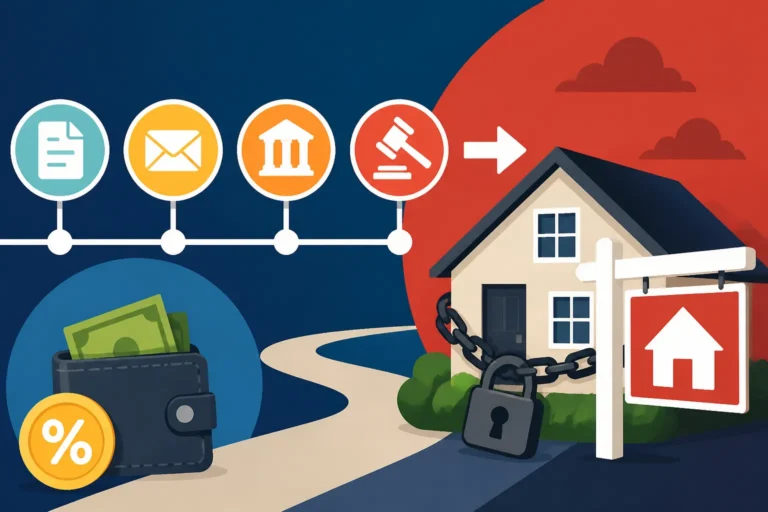
Here's a quick overview of the delinquency process in Vermont:
| Stage of Delinquency | Key Actions & Consequences | Typical Timeline |
|---|---|---|
| Missed Payment | – Interest and late fees accrue. – Official notices sent by delinquent tax collector. | Immediately after due date. |
| Tax Sale Warning | – Formal legal notice of intent to sell property. – Public notice in newspaper and posted. – All accrued taxes, interest, and costs must be paid. | Weeks to months after delinquency, varying by town. |
| Tax Sale Auction | – Property sold to highest bidder. – Purchaser receives a conditional "tax collector's deed." – Original owner retains possession, subject to redemption. | Typically 6-12 months after initial delinquency. |
| Redemption Period | – Original owner can pay back purchaser (plus interest/costs) to reclaim property. | 1 year after the tax sale auction. |
| Non-Redemption | – If not redeemed, purchaser can seek clear title in court. – Original owner permanently loses property. | After the 1-year redemption period expires. |
Disclaimer
The information provided in this article is for general informational purposes only and does not constitute financial, legal, or tax advice. Property tax laws and procedures are complex and can vary significantly by municipality and state. It is crucial to consult with a qualified professional, such as a tax advisor, real estate attorney, or your local delinquent tax collector, for advice tailored to your specific situation.