Can You Lose Your Home Over Unpaid Property Taxes?
It's a fear that keeps many homeowners up at night, especially when those property tax bills land in the mailbox: can I really lose my home if I can't pay my property taxes? The short, unsettling answer is yes, you absolutely can. This guide aims to shed light on the daunting reality of what happens when property taxes go unpaid, outlining the processes, the consequences, and, most importantly, the proactive steps you can take to protect your most valuable asset.
The Harsh Reality: Yes, You Can Lose Your Home (and How)
Let's not sugarcoat it: property taxes are a fundamental obligation of homeownership, and local governments take them very seriously. Unlike other debts, property taxes are secured by the property itself. This means that if you fail to pay, the taxing authority has a direct claim on your home, a claim that can eventually lead to its sale to satisfy the debt. This isn't just a theoretical threat; it happens to homeowners across the country every single year. The process can vary significantly depending on where you live, but the end result – losing your home – remains a stark possibility.
Property Tax Liens and Sales: The First Step Towards Loss
When property taxes go unpaid for a certain period, the local government will typically place a lien on your property. This lien acts as a legal claim, indicating that you owe money and that the property itself is collateral for that debt. Think of it like a mortgage, but instead of a bank, the government holds the claim. This step alone doesn't mean you've lost your home, but it's a critical legal move that paves the way for further action.
In many states, particularly "tax lien states," the government doesn't immediately foreclose on your home. Instead, they sell this tax lien to private investors. These investors essentially pay your delinquent tax bill to the government and, in return, receive the right to collect the debt from you, often with significant interest and penalties. For example, states like Florida, Arizona, and Illinois are known for their tax lien sales. If you fail to repay the investor by a certain deadline, they can then initiate proceedings to take ownership of your home. It’s a system designed to ensure local governments get their revenue while creating an investment opportunity, but for homeowners, it adds another layer of complexity and urgency to an already stressful situation.
Other states, known as "tax deed states," like California and Texas, have a slightly different approach. Instead of selling a lien that an investor can later foreclose on, these jurisdictions often proceed directly to a tax deed sale. In this scenario, after a period of delinquency and various notices, the county itself auctions off the property to the highest bidder. The new owner then receives a "tax deed," which grants them ownership of the property, effectively dispossessing the original homeowner. The specifics of these processes, including timelines and notification requirements, are detailed and strict, but they ultimately lead to the same outcome if taxes remain unpaid.
Tax Foreclosure: The Ultimate Consequence
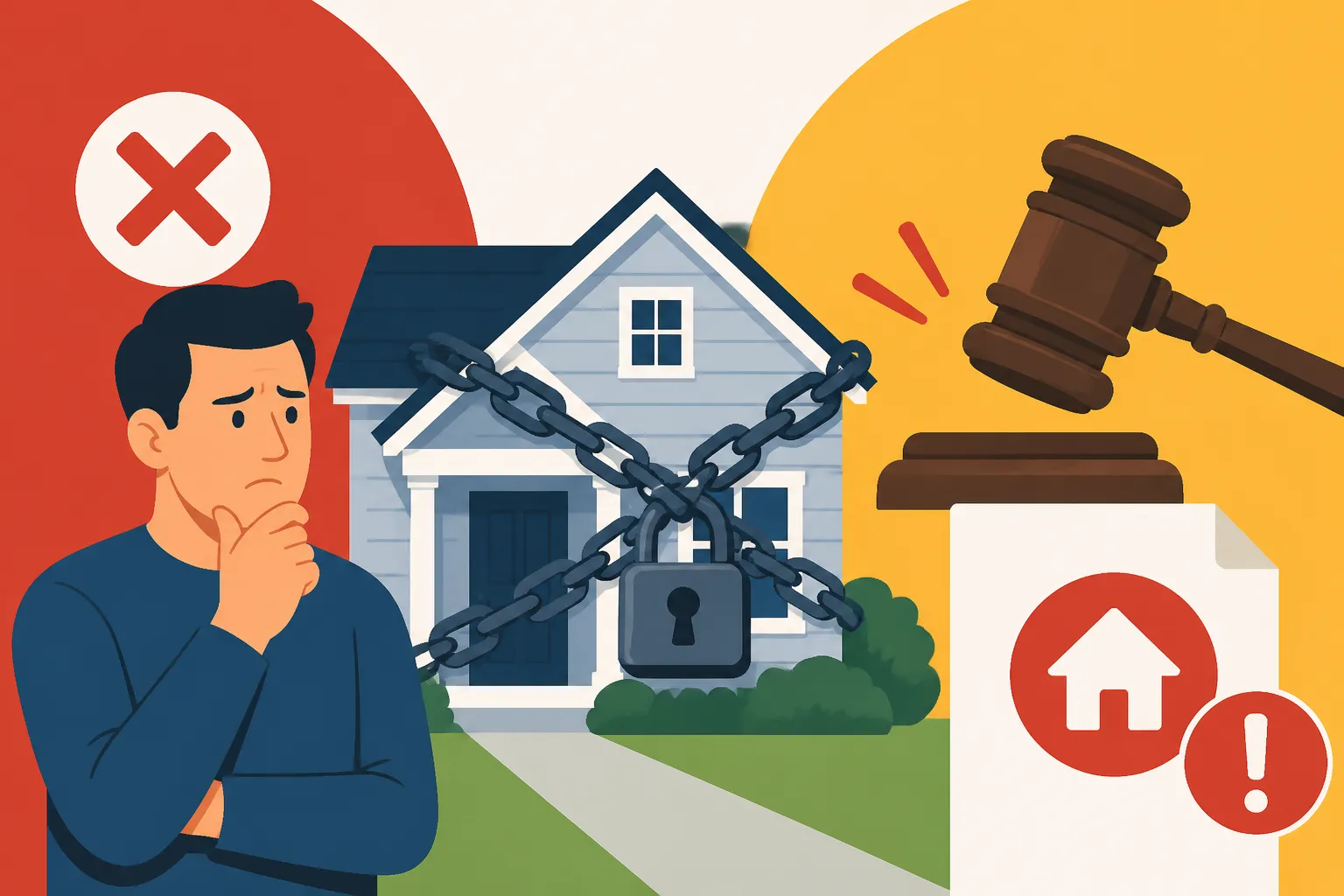
Regardless of whether your state primarily uses tax liens or tax deeds, the ultimate legal mechanism that results in losing your home is a form of foreclosure. It's not the same as a mortgage foreclosure, but the outcome is just as devastating. Tax foreclosure is the legal process by which the government or a private tax lien holder asserts their right to take and sell your property to recover the unpaid taxes.
This process begins after a specified period of delinquency, often after years of missed payments in some jurisdictions, or much sooner in others. The county will send a series of notices, publish warnings, and follow strict legal procedures to ensure due process. If you ignore these notices, the process moves forward, culminating in a sale. For instance, in Texas, if you fail to pay your property taxes, the county tax assessor-collector can initiate a lawsuit to collect the delinquent taxes. If the court rules in favor of the taxing unit, it can order your property to be sold at a public auction. This is why understanding your local processes is so vital; something like a notice of public auction for unpaid taxes could be easily mistaken for junk mail, but it's a direct threat to your homeownership. For more details on the process, you might find our guide on What Happens If You Don't Pay Property Taxes? helpful.
Understanding the Process: From Delinquency to Foreclosure
Navigating the waters of unpaid property taxes can feel overwhelming, especially when you're already facing financial strain. However, it's crucial to understand the timeline and steps involved so you can react appropriately. The process isn't usually immediate, and there are often multiple chances to rectify the situation before your home is truly at risk. Knowing these stages can empower you to act before it's too late.
Initial Delinquency and Penalties
The moment your property tax bill due date passes without payment, your taxes become delinquent. This isn't an immediate crisis, but it's the official start of the problem. Immediately, penalties and interest will begin to accrue on the unpaid amount. These charges can add up quickly, making it even harder to catch up over time. Each jurisdiction sets its own specific penalty rates and interest charges, which are often outlined on your property tax bill or available on your county tax assessor's website. For instance, in many parts of the country, an initial penalty might be a small percentage, but it escalates significantly with each passing month.
Consider a homeowner in suburban Cook County, Illinois, who misses their first property tax installment. They might face an initial penalty, and then a monthly interest rate (often 1.5% per month) that quickly swells the total amount owed. Ignoring these initial charges is a common, understandable mistake for people struggling financially, but it only exacerbates the problem. The longer the delay, the larger the debt, creating a compounding effect that can feel impossible to overcome. Understanding Property Tax Due Dates by State is critical to avoiding this first step into delinquency.
The Escalation: Notices, Warnings, and Growing Debts
As time passes without payment, the communication from the taxing authority will escalate. You'll likely receive several notices, often through certified mail, informing you of your delinquent status, the growing amount owed (including penalties and interest), and the potential consequences if you fail to pay. These notices are not just reminders; they are legal warnings designed to inform you of the seriousness of your situation. They often outline the next steps the county plans to take if the debt remains unsatisfied.
These warnings might detail upcoming tax lien sales, tax deed sales, or the initiation of a foreclosure lawsuit. Ignoring these letters can be a grave error. While they might seem daunting, they also provide crucial information, including contact details for the tax assessor or collector's office, which is often your first and best resource for resolving the issue. It's during this phase that the possibility of a property tax lien being placed on your home becomes very real, which can eventually lead to a full Property Tax Liens Explained process.
Redemption Periods: Your Last Chance
One of the most critical aspects of the property tax collection process, especially in tax lien states, is the "redemption period." This is a specific timeframe, legally mandated by the state, during which you, as the homeowner, have the right to "redeem" your property by paying off all outstanding taxes, penalties, interest, and any associated fees incurred by the tax lien purchaser. The length of this redemption period varies widely from state to state. It could be anywhere from a few months to several years.
For example, in Arizona, the redemption period for a tax lien is typically three years, giving homeowners a substantial window to recover their property. In contrast, in states like New Jersey, the redemption period can be as short as six months to two years, depending on the type of property and the lienholder. This period is your last, best chance to save your home before the tax lien investor or the county can finalize the transfer of ownership. If you miss this deadline, your right to the property can be permanently extinguished, leading to the irreversible loss of your home. It’s a very stressful time, but it’s vital to be aware of this window if you find yourself in this situation.
Your Options to Avoid Losing Your Home
The good news is that local governments aren't usually eager to take your home. Their primary goal is to collect the revenue needed to fund public services. This means there are often avenues available to homeowners facing financial hardship. Understanding these options and acting quickly can make all the difference between resolving a tax issue and losing your property.
Payment Plans and Deferrals
Many local tax authorities offer payment plans or deferral programs to help homeowners manage their delinquent taxes. A payment plan allows you to pay off your outstanding tax debt in installments over an agreed-upon period, rather than demanding the full lump sum. This can significantly reduce the immediate financial burden. Eligibility often depends on the total amount owed, your income, and whether you've defaulted on previous agreements. It's always worth reaching out to your county tax assessor-collector's office as soon as you realize you're falling behind.
Deferral programs, on the other hand, allow certain homeowners to postpone paying their property taxes until a later date, often until the property is sold or transferred. These programs are typically targeted at specific groups, such as seniors, disabled individuals, or those with very low incomes, who might be on fixed budgets. For instance, both California and Oregon have property tax deferral programs for seniors and disabled persons who meet specific income and equity requirements. These programs don't eliminate the tax burden, but they can provide much-needed breathing room. Knowing how to engage with these programs is key, and our guide on Property Tax Installment & Deferral Plans offers a more comprehensive overview.
Property Tax Assistance Programs
Beyond direct payment plans, there are various property tax assistance programs, often provided at the state or local level, designed to help homeowners in specific situations. These can include:
- Homestead Exemptions: These reduce the taxable value of your primary residence, lowering your overall tax bill. Many states offer a basic homestead exemption, and some provide additional exemptions for seniors, disabled veterans, or individuals with disabilities. For example, Texas offers a generous homestead exemption, which can significantly reduce the taxable value of your home. If you're eligible, applying for a homestead exemption can proactively reduce your taxes, making them more manageable in the first place. You can learn more by reading our Homestead Exemption: Complete State-by-State Guide.
- Senior or Disability Exemptions/Freezes: Many states offer specific property tax relief for older adults or those with disabilities, sometimes even freezing the assessed value of their homes to prevent tax increases.
- Circuit Breaker Programs: These are typically income-based and provide tax credits or refunds to low-income homeowners whose property tax burden exceeds a certain percentage of their income.
- Veteran Exemptions: Veterans, especially disabled veterans, often qualify for significant property tax exemptions or even full exemptions in some states.
It's vital to research what's available in your specific county and state. The eligibility requirements and application processes for these programs can vary greatly, but they represent a legitimate way to reduce your tax liability or access funds to cover it.
Refinancing or Loans: Financial Strategies to Pay Off Taxes
When delinquent property taxes become a significant burden, some homeowners explore financial solutions like refinancing their mortgage or taking out a personal loan. If you have substantial equity in your home and good credit, a cash-out refinance could provide the funds needed to pay off your back taxes, rolling the debt into your new mortgage. This can lower your monthly payments by extending the repayment period and potentially securing a lower interest rate, though it does mean your home remains collateral.
Alternatively, a personal loan from a bank, credit union, or online lender might be an option. While personal loans typically have higher interest rates than mortgages, they are unsecured, meaning your home isn't directly pledged as collateral. This can be a riskier option but might be suitable for smaller, short-term tax debts. Reputable financial platforms like LendingTree can help you compare various loan options from multiple lenders, allowing you to find a solution that best fits your financial situation without the hassle of applying to each one individually. Before pursuing this route, always calculate the total cost, including interest, to ensure you're not trading one financial problem for another.
Protecting Your Home: Proactive Strategies and Resources
The best defense against losing your home to unpaid property taxes is a strong offense. By being proactive and understanding your obligations and rights, you can often prevent problems before they escalate. It's about staying informed and taking steps to manage your property tax burden effectively.
Budgeting for Property Taxes
One of the most straightforward ways to avoid falling behind on property taxes is to budget for them effectively throughout the year. Many homeowners who have a mortgage will have their property taxes included in their monthly escrow payments, meaning the lender collects a portion of the tax bill each month and pays it on their behalf. This is a convenient system that spreads the cost out.
However, if you own your home outright or have opted out of an escrow account, the responsibility for saving and paying property taxes falls solely on you. Instead of being surprised by a large annual or semi-annual bill, set aside a portion of money each month into a separate savings account specifically for property taxes. Divide your last annual tax bill by twelve and make that a regular transfer. For property investors or those managing multiple properties, tools like Stessa can be incredibly useful. Stessa offers features to track property expenses, including property taxes, making it easier to budget and ensure you have funds available when the bill comes due. This proactive approach turns a large, intimidating payment into manageable monthly savings.
Understanding Your Assessment and Appeals
A common reason for high or rising property tax bills is an incorrect or inflated property assessment. Your property tax bill is calculated by multiplying your home's assessed value by the local tax rate (or mill rate). If the assessor has placed an unfairly high value on your home, you'll be paying more in taxes than you should. This is why it's so important to understand your Property Tax Assessment & Reassessment Explained and to challenge it if it seems too high.
Every homeowner has the right to appeal their property tax assessment. This involves gathering evidence, such as comparable sales (comps) of similar homes in your neighborhood that sold for less than your assessed value, or documentation of errors in your property's characteristics as recorded by the assessor. The appeal process typically involves an informal review with the assessor's office, followed by a formal hearing with an appraisal review board if the informal discussion doesn't resolve the issue. Successfully appealing your assessment can directly lower your property tax bill, making it more affordable and reducing the risk of delinquency. Learn more about how to navigate this process in our comprehensive guide on How to Appeal Property Taxes: Complete Guide.
Seeking Professional Guidance
When facing the complexities of delinquent property taxes or a potential foreclosure, don't try to go it alone. There are professionals who can help:
- Tax Attorneys or Property Tax Consultants: If your situation is severe, involving a tax lien sale or foreclosure proceedings, a tax attorney or property tax consultant specializing in real estate law can provide invaluable guidance. They understand the legal nuances, redemption periods, and local procedures, and can represent you in negotiations or court.
- Housing Counseling Agencies: Non-profit housing counseling agencies, often HUD-approved, provide free or low-cost advice to homeowners struggling with financial issues, including property taxes. They can help you understand your options, negotiate with tax authorities, and connect you with assistance programs.
- Financial Advisors: A financial advisor can help you create a sustainable budget, explore refinancing options, and develop a long-term financial plan that includes managing property taxes.
The key is to seek help as early as possible. The longer you wait, the fewer options you'll have, and the more difficult it will be to save your home.
| Step | Action | Key Consideration | Prevention Strategy |
|---|---|---|---|
| 1 | Missed Payment | Penalties & interest begin to accrue immediately. | Set up monthly savings or escrow account. |
| 2 | Delinquency Notices | Formal warnings of unpaid taxes and escalating debt. | Open and read all official mail carefully. |
| 3 | Lien Attachment / Sale | Government places a lien or sells it to investors. | Contact tax office for payment plans. Investigate exemptions. |
| 4 | Redemption Period | Last chance to pay all owed amounts (taxes, penalties, interest, fees) to save home. | Act quickly to find funds, pursue loans, or assistance. |
| 5 | Tax Deed Sale / Foreclosure | Property is sold at public auction, ownership transferred. | Seek legal counsel immediately if at this stage. |
Disclaimer
This article is for general informational purposes only and does not constitute professional advice. Laws and regulations vary by location and change over time. Consult a qualified professional for guidance on your specific situation.