What Happens If You Don’t Pay Property Taxes in Wisconsin?
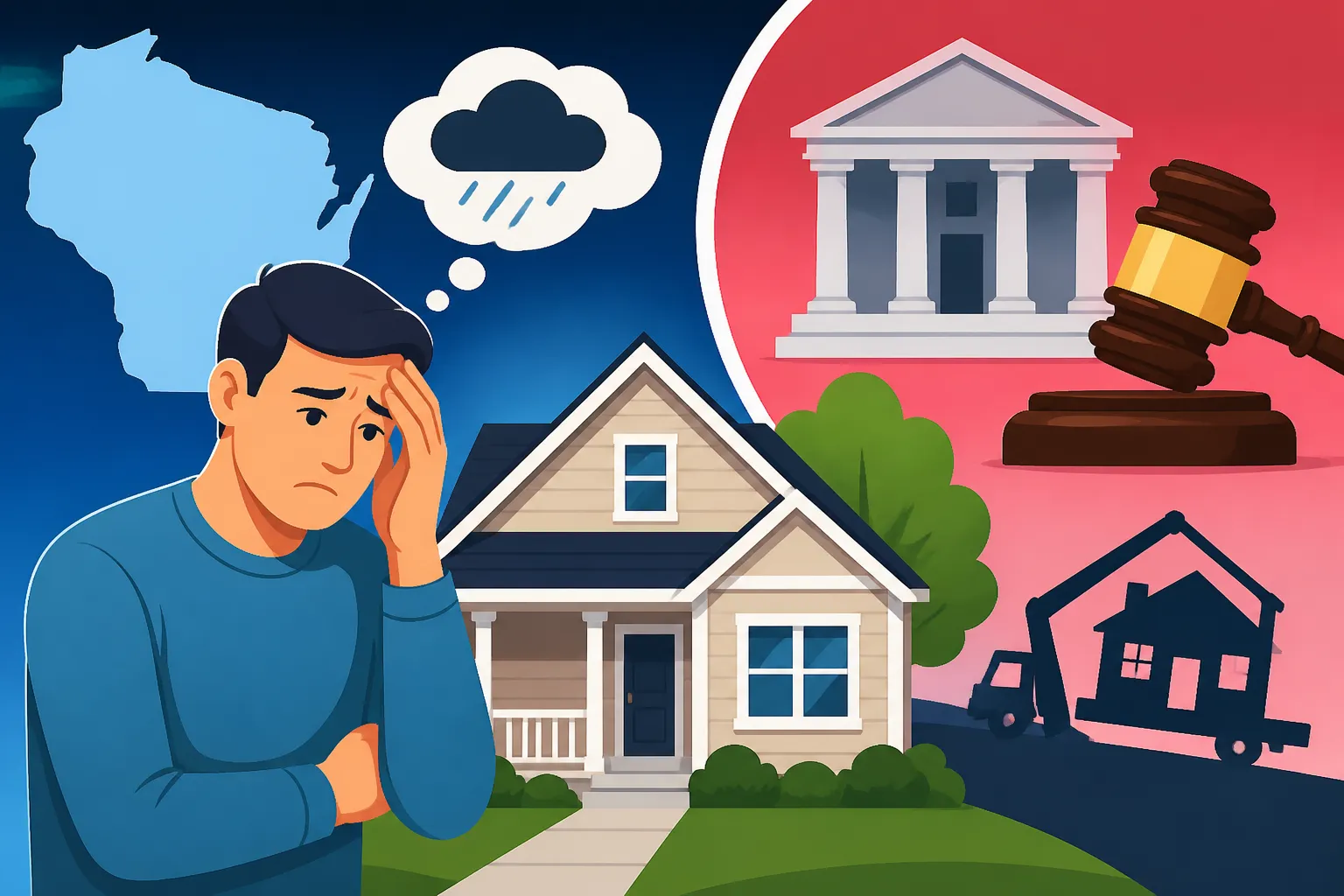
Missing a property tax payment in Wisconsin can feel like staring down a dark tunnel, full of uncertainty and anxiety about what comes next for your home. It’s a terrifying prospect for any homeowner, whether you’re facing a temporary financial setback or just struggling to keep up with rising costs. This guide is here to illuminate that path, walking you through the precise steps and consequences of unpaid property taxes in Wisconsin, and more importantly, outlining the options you have to avoid the worst-case scenario.
Understanding Wisconsin's Property Tax Payment Schedule
Paying property taxes can sometimes feel like navigating a maze, with different deadlines and rules depending on where you live in the Badger State. Wisconsin's property tax system gives local municipalities a bit of flexibility, which means due dates aren't always uniform across the state. This variation can definitely add to the confusion, making it easy to miss a payment if you're not careful.
Navigating Due Dates and Installment Options
In Wisconsin, property tax bills are typically mailed out around mid-December. The first installment is usually due to your local treasurer by January 31st of the following year. However, many municipalities offer installment plans, allowing you to pay your taxes in two or more payments. For example, some cities or towns might set a second installment deadline for July 31st, allowing homeowners to spread out the financial burden. This flexibility is a huge help for many families trying to budget, but it also means you need to be acutely aware of your specific municipality's schedule. Always check your actual tax bill or contact your local treasurer’s office for the definitive dates that apply to your property. If you're managing multiple properties, using a tool like Stessa can help keep track of various property tax due dates and payments, helping you stay organized and avoid accidental misses. For a broader look at deadlines, you can check out our comprehensive guide on Property Tax Due Dates by State.
The Immediate Impact of Missed Payments
When a property tax payment due date passes without payment, it's not just a gentle reminder that appears. The clock immediately starts ticking, and the unpaid balance becomes delinquent. What this means in real terms is that the municipality, whether it's the City of Milwaukee, the Town of Madison, or a smaller village, will transfer the delinquent tax to the county treasurer. This transfer usually happens in February, following the January 31st due date. From this point forward, all further collection efforts, and any payments you make, will be handled by the county. It’s a critical shift because the county’s procedures and potential penalties might differ slightly from your local municipality's initial process, often leaning towards more stringent enforcement.
The Accumulation of Penalties and Interest
One of the most immediate and painful consequences of not paying your Wisconsin property taxes on time is the swift accumulation of penalties and interest. This isn't just a minor fee; it can quickly swell your original tax bill, making it even harder to catch up.
How Late Fees and Interest Add Up
As soon as your property taxes become delinquent in Wisconsin, typically after January 31st, interest begins to accrue on the unpaid balance. The standard interest rate on delinquent property taxes in Wisconsin is 1% per month or fraction of a month, which translates to a pretty significant 12% annual rate. This isn't just applied once; it compounds monthly. So, if you miss a January 31st payment, by the time March rolls around, you’re looking at your original bill plus two months of interest. On top of this, many local treasurers also levy an initial penalty when taxes become delinquent, often around 0.5% of the unpaid tax, which can also compound monthly.
For example, imagine your tax bill is $3,000. If you miss the first installment due in January, and the second due in July, that $3,000 quickly becomes $3,000 + (1% * months delinquent) + (0.5% penalty * months delinquent). By the time the county takes over collection, you’re already behind by a considerable amount, and the longer it goes, the more daunting it becomes. Understanding How Are Property Taxes Calculated? can give you insight into the initial amount, but understanding the penalties is crucial when you fall behind.
Long-Term Financial Strain
The ongoing accrual of interest and penalties means that simply waiting it out only exacerbates the problem. What might start as a temporary financial squeeze can quickly turn into a much larger, overwhelming debt. This situation often leads to homeowners having to divert funds from other essential expenses just to keep their property, creating a domino effect of financial stress. For those who are already on a tight budget, the thought of an ever-increasing property tax bill can be incredibly disheartening. It’s a challenging cycle, and the longer the taxes remain unpaid, the closer the property gets to a more severe outcome: potential tax deed foreclosure. This constant financial pressure can take a serious toll, impacting everything from savings to future financial planning.
| Delinquency Period | Typical Action/Consequence | Interest/Penalty Rate |
|---|---|---|
| February 1st | Delinquent taxes transferred to County Treasurer | 1% interest per month, plus local penalty |
| Within ~3 Years | Redemption period, property owner can pay all back taxes, interest, penalties | 1% interest per month continues |
| After ~3 Years | County may begin tax deed foreclosure process | Still accruing interest until paid or foreclosed |
| Final Stage | Tax deed issued, ownership transfers to county | Property lost |
Wisconsin's Tax Certificate and Foreclosure Process
Unlike some states that sell tax liens to private investors, Wisconsin operates as a "tax deed state." This means that when property taxes remain unpaid, the county, rather than an individual investor, is the entity that eventually takes ownership of the property through a specific legal process. It’s a crucial distinction that shapes the entire timeline and your options as a homeowner.
The County's Initial Steps: Issuing a Tax Certificate
When your property taxes become delinquent, and the local municipality transfers them to the county treasurer (usually by February 15th), the county doesn't immediately move to seize your property. Instead, the county treasurer issues a "tax certificate" for the delinquent property. This isn't a physical certificate sold on an open market like in some other states; it's an internal record the county maintains. This certificate signifies the county's claim against the property due to the unpaid taxes, interest, and penalties.
The issuance of this tax certificate marks the beginning of a statutory waiting period, typically three years from January 1st of the tax year for which the taxes were delinquent. During this period, the homeowner retains ownership and has the right to "redeem" the property by paying all outstanding amounts. This phase is less about immediate threat and more about a sustained opportunity to resolve the debt before the situation escalates further. For property owners grappling with the full picture of their property’s value and tax implications, our article on Assessed Value vs Market Value vs Taxable Value offers valuable context.
The Road to Tax Deed Foreclosure
If the property taxes, along with all accumulated interest and penalties, are not paid off during that three-year redemption period, the county can then initiate proceedings to obtain a "tax deed." Obtaining a tax deed is the legal mechanism by which the county forecloses on the property, taking full ownership. This process involves a formal application to the county clerk or other designated official. Once the tax deed is granted, the previous owner loses all rights, title, and interest in the property.
It's a stark reality: failure to act within the redemption period ultimately leads to the irreversible loss of your home. The county often seeks to recoup the unpaid taxes by then selling the property at a public auction. This is why understanding this specific timeline and acting decisively is so critical. For more on the final stages, our guide on Tax Deed Sales Explained delves into what happens when properties reach this point.
Important Notice Requirements and Homeowner Rights
While the county has the power to pursue a tax deed, they aren't allowed to do so silently. Wisconsin law mandates that counties provide several notices to the property owner and any other parties with an interest in the property (like mortgage lenders) before a tax deed is issued. These notices are designed to give homeowners ample warning and a final chance to pay the outstanding taxes.
Typically, the county will send certified mail notices to the last known address of the owner and any mortgage holders, informing them of the impending tax deed application. These notices will detail the amount owed and the deadline to pay before the property is officially taken. It's crucial for homeowners to keep their contact information updated with the county assessor's and treasurer's offices. Missing these crucial notices because of an outdated address can result in unknowingly losing your home. While these notices provide a final opportunity, they are not an extension of the redemption period itself, but rather a warning that the county is exercising its right to move forward after that period has expired.
The Critical Redemption Period
The concept of a "redemption period" is absolutely vital for any Wisconsin homeowner facing delinquent property taxes. It’s essentially your last, best chance to save your property from being lost to the county. This window of time is specifically designed to give you an opportunity to resolve the debt and reclaim full rights to your home.
How Long You Have to Pay Up
In Wisconsin, the redemption period for delinquent property taxes generally extends for three years from January 1st of the year for which the taxes were delinquent. So, if your 2023 property taxes became delinquent on February 15, 2024, the county will likely issue a tax certificate representing that delinquency. The redemption period for those 2023 taxes would typically run until late 2026 or early 2027, giving you a significant amount of time to get your finances in order. During this entire period, you can "redeem" your property by paying the county treasurer all the accumulated delinquent taxes, plus all the accrued interest and penalties.
It’s important to note that some types of property or specific circumstances might have slightly different redemption periods, so it's always wise to verify the exact timeline with your county treasurer. This period is a lifeline, but it requires proactive action. Simply waiting and hoping the problem disappears will only lead to the county taking the next, more serious steps. You can find more general information on Redemption Periods & Tax Foreclosure if you're curious about how this compares to other states.
What Happens if the Redemption Period Expires
If the three-year redemption period expires and you haven't paid off the full amount of delinquent taxes, interest, and penalties, the county has the legal right to apply for and obtain a tax deed. Once the county treasurer issues that tax deed, the original homeowner's ownership rights are permanently extinguished. This means you no longer own the property, and the county becomes the legal owner.
This is the ultimate consequence of unpaid property taxes in Wisconsin – the irreversible loss of your home. After acquiring the tax deed, counties will typically try to sell the property to recover the outstanding tax debt and any associated costs. These sales usually occur through public auctions or private sales. At this point, even if you come up with the money, you can no longer redeem your property; it is no longer yours to redeem. This grim outcome underscores the absolute urgency of addressing delinquent taxes within the redemption period.
Exploring Avenues for Relief and Assistance
Facing the prospect of losing your home over unpaid property taxes is incredibly stressful, but it's crucial to remember that you often have options. Taking proactive steps and exploring available resources can make a significant difference in resolving the situation before it escalates to foreclosure.
Payment Plans and Deferral Programs
One of the most immediate steps you can take is to communicate with your county treasurer's office. Many counties in Wisconsin are willing to work with homeowners who are genuinely trying to resolve their tax debt. While official statewide deferral programs might be limited, individual counties or municipalities sometimes offer hardship payment plans. These plans allow you to make smaller, more manageable payments over time, provided you adhere to the agreement. It's not a guarantee, but it's always worth asking if a payment arrangement can be made to get you back on track. Our article on Property Tax Payment Plans: How to Set One Up can provide helpful tips on structuring such an agreement.
Additionally, some states offer property tax deferral programs, particularly for seniors or low-income residents, though these are less common or comprehensive in Wisconsin compared to some other states. These programs typically allow you to postpone payment until the property is sold or transferred, but they do accrue interest. You would need to check with your specific county or the Wisconsin Department of Revenue to see if any such programs are currently available and if you qualify.
Seeking Financial Guidance and Loan Options
If you’re struggling to pay your property taxes, it's a strong indicator that you might need to re-evaluate your overall financial situation. This could be an opportunity to consult with a financial advisor or a credit counseling service. They can help you create a budget, explore debt consolidation options, or even identify other areas where you might be able to save money. Sometimes, a fresh pair of eyes can spot solutions you hadn't considered.
For those with significant equity in their home, exploring a home equity loan or a home equity line of credit (HELOC) could be an option to pay off delinquent taxes, though this should be approached with caution. It involves taking on new debt secured by your home, so ensure you can comfortably manage the new payments. Financial institutions like LendingTree allow you to compare various loan options from multiple lenders, which could be helpful in finding a solution that fits your budget. While not directly for property taxes, platforms like Stessa can help real estate investors and homeowners track their property's financial performance, making it easier to manage expenses like property taxes and assess cash flow for repayment strategies.
It's also worth investigating if you qualify for any Homestead Exemption: Complete State-by-State Guide or other property tax relief programs offered in Wisconsin. While these typically reduce your future tax burden rather than alleviating past delinquencies, reducing your overall bill can free up funds to catch up on what's owed. Some common exemptions include those for the elderly, disabled individuals, or veterans. Applying for these, if eligible, can offer long-term relief and prevent future payment struggles.
Disclaimer
Please remember, this guide provides general information about property tax delinquency in Wisconsin. Property tax laws can be complex and are subject to change. Always consult with your local county treasurer, a legal professional, or a qualified tax advisor for advice specific to your situation.