How Tax Lien Foreclosure Works
Property tax lien foreclosure details explain delinquent property taxes, tax lien sales, redemption periods, and legal proceedings for homeowners.
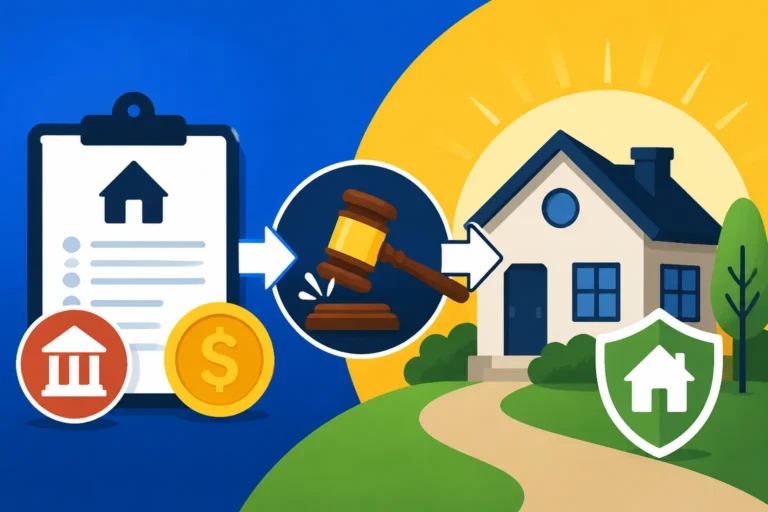
Property tax lien foreclosure details explain delinquent property taxes, tax lien sales, redemption periods, and legal proceedings for homeowners.

Tax lien certificates are government documents for unpaid property taxes, outlining investor returns, interest rates, and homeowner redemption rules.

Property tax delinquency and tax lien sales explain whether investors can truly take homes by paying overdue local property taxes.
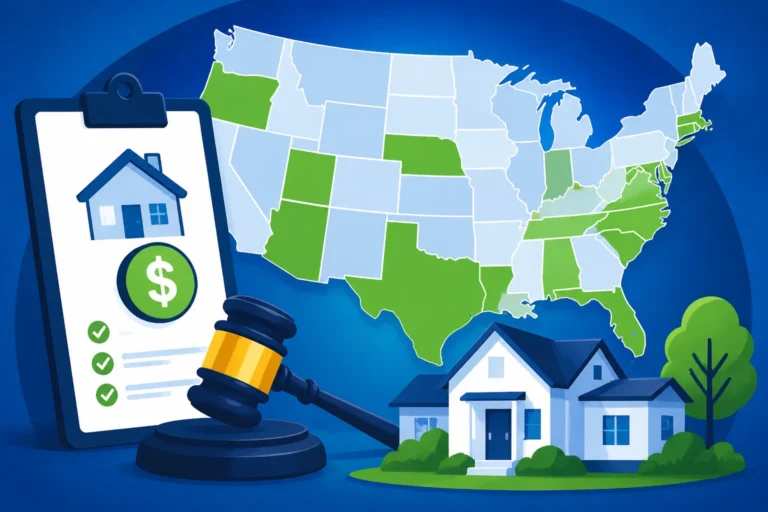
Tax deed sales give real estate investors direct property ownership through public auctions, bypassing lien redemption periods.

Tax lien certificates represent legal claims against properties for unpaid taxes, offering investors state-mandated interest rates through public auctions.
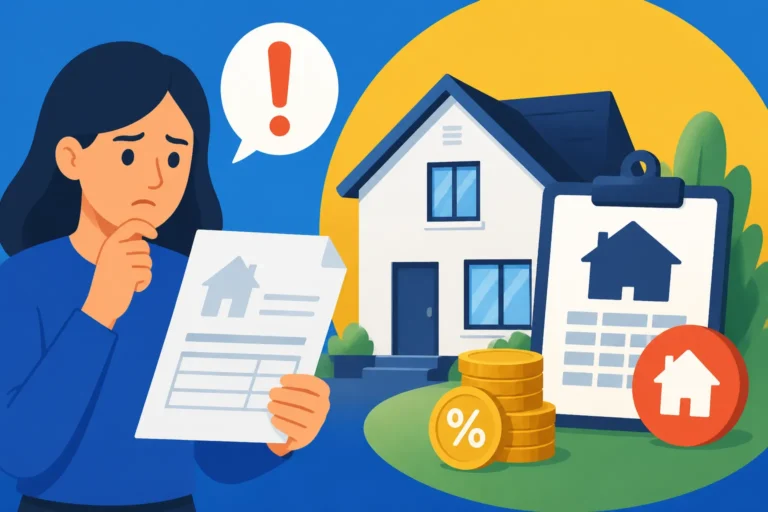
Supplemental property tax bills cover mid-year increases in home values caused by changes in ownership or new construction.
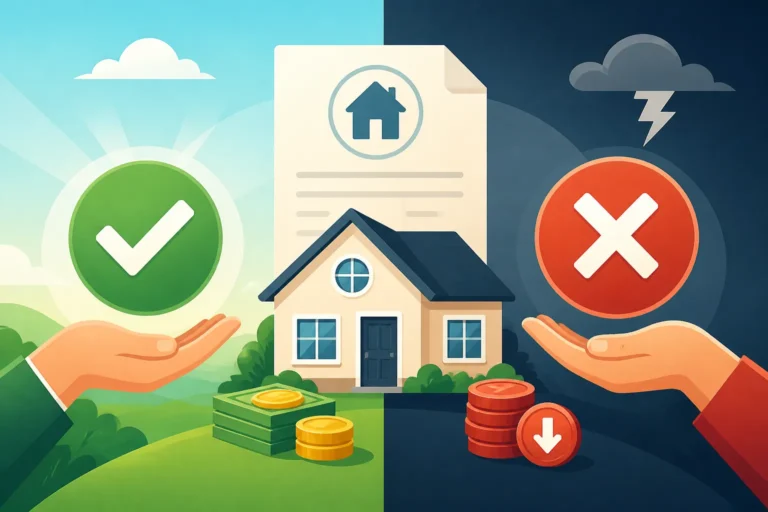
Prepaying property taxes offers potential tax deductions and cash flow benefits, but homeowners must navigate the federal SALT cap and escrow rules.

Property tax loans are private financial agreements used to pay delinquent property taxes directly to taxing authorities in exchange for repayment.
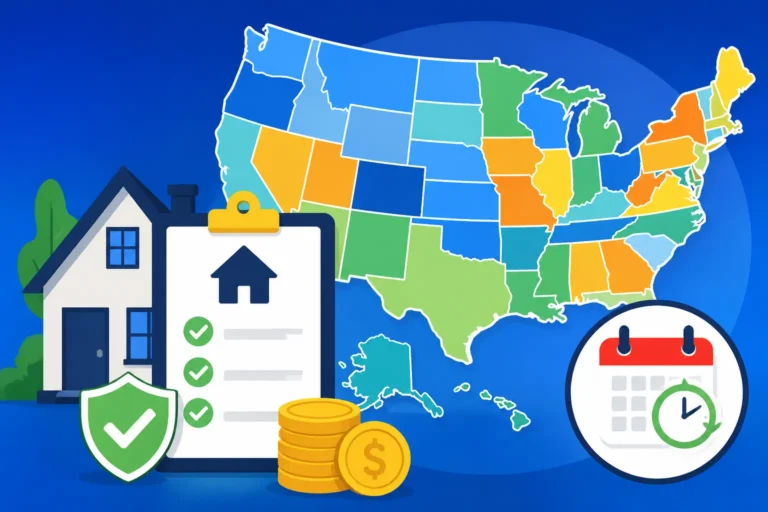
Property tax redemption periods vary by state, explaining how homeowners can reclaim delinquent properties after tax lien or tax deed sales.
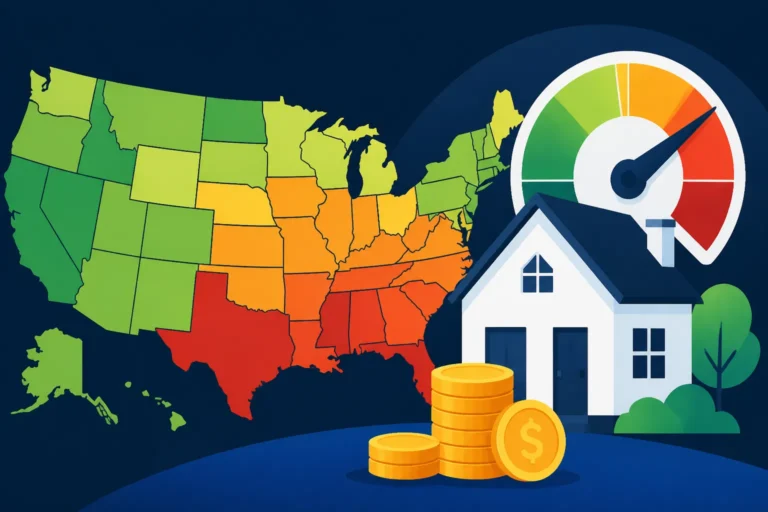
Property tax lien interest rates across different states affect investor returns and homeowner debt through varying statutory rules and auction mechanics.