What Is a Tax Lien Certificate?
It's a scary thought to imagine losing your home over something as seemingly mundane as property taxes, but for countless homeowners across the country, delinquent property taxes are a very real, very stressful issue. Beyond the mounting penalties and fees, unpaid taxes can lead to the sale of a property tax lien, which introduces a whole new layer of complexity, risk, and often, confusion. This comprehensive guide is here to unravel the mystery of tax lien certificates, explaining what they are, how they work for both homeowners and investors, and most importantly, how you can navigate or avoid this often-daunting situation.
Understanding the Basics of Property Tax Liens
Before we delve into the specifics of tax lien certificates, it's crucial to grasp the foundational concept of a property tax lien itself. This isn't just a bill you forgot to pay; it's a legal claim against your property, and it has significant implications for your homeownership.
The Origin of a Property Tax Lien
Every property owner has a responsibility to pay property taxes to their local government. These funds are absolutely vital, as they finance essential services like public schools, local law enforcement, fire departments, roads, parks, and other community infrastructure. When these taxes go unpaid, local governments have a powerful tool to ensure they collect the revenue they need: the property tax lien. A property tax lien is essentially a legal claim the government places on your property for the amount of unpaid taxes, penalties, and interest. This lien takes precedence over almost all other liens, including mortgages, which means that the government's claim on your property is incredibly strong.
Imagine you're a homeowner in a bustling county, perhaps in Maricopa County, Arizona, where property taxes help fund everything from the local school district to maintaining county roads. You receive your property tax bill, and for whatever reason—a job loss, an unexpected medical emergency, or simply an oversight—you miss the payment deadline. The county, after a certain period of delinquency, will then file a lien against your property. This isn't just a stern letter; it's a formal, legal encumbrance on your home's title, making it very difficult to sell or refinance until the lien is satisfied. The process of how these liens are initially recorded and then, if necessary, escalated to a tax lien certificate sale, is meticulously defined by state and local statutes. For more insight into the collection methods, you might explore what happens if you don't pay property taxes.
How a Property Tax Lien Differs from a Mortgage
While both a property tax lien and a mortgage are claims against your property, their nature and priority are vastly different. A mortgage is a voluntary lien, meaning you willingly enter into an agreement with a lender (like a bank) to borrow money, using your home as collateral. You agree to make regular payments, and if you default, the lender can initiate foreclosure proceedings. The mortgage lender is essentially betting on your ability to pay back the loan over a long period.
A property tax lien, on the other hand, is an involuntary lien. You don't sign up for it; it's imposed by the government due to your failure to meet a legal obligation—paying taxes. Crucially, property tax liens almost always have "super priority." This means that even if you have a mortgage, the property tax lien gets paid first in the event of a sale or foreclosure. Let's say you owe $3,000 in property taxes and $200,000 on your mortgage. If your house were to be sold at auction due to unpaid taxes, the tax lien would be satisfied before the mortgage lender would see a single cent. This superior position is a major reason why banks and mortgage companies often pay delinquent property taxes on behalf of homeowners (and then demand repayment from the homeowner) – they want to protect their own investment. Understanding this distinction is key to grasping why tax lien certificates are such a unique and potentially powerful investment, as they leverage this inherent super priority.
Diving Deep into Tax Lien Certificates
Now that we understand the nature of a property tax lien, let's zoom in on the specific mechanism that allows some of these liens to be bought and sold: the tax lien certificate. This isn't just a receipt; it's a legal document with specific rights and responsibilities.
What Exactly is a Tax Lien Certificate?
A tax lien certificate is a physical or electronic document issued by a local government (county, municipality, or sometimes state) that evidences a first-position lien on a piece of real property for unpaid property taxes. When a property owner fails to pay their taxes, the government places a lien on the property. To recover these lost revenues, some jurisdictions, known as "tax lien states," then sell these liens to private investors. The tax lien certificate represents the right to collect the original delinquent tax amount, plus accrued interest and any associated penalties and fees, from the property owner.
Think of it this way: instead of the county waiting indefinitely for the homeowner to pay, an investor steps in, pays the delinquent taxes to the county, and in return, receives a certificate. This certificate doesn't give the investor immediate ownership of the property; rather, it gives them the right to collect the debt from the homeowner and, if the homeowner fails to pay within a specified period (the redemption period), the right to potentially initiate foreclosure proceedings to take ownership of the property. It's a structured way for local governments to replenish their coffers quickly, and for investors to potentially earn a decent return. The specific terms, like interest rates and redemption periods, vary significantly depending on the state and even the local county. You can learn more about how to buy tax lien certificates.
How Tax Lien Certificates Are Created and Sold
The process generally begins when a property owner misses their tax payments, and the taxes become delinquent. After a grace period, and typically after sending multiple notices to the homeowner, the local tax collector's office will attach a lien to the property. If these delinquent taxes remain unpaid, the local government may then opt to sell the lien to investors to recover the outstanding funds immediately.
These sales typically occur through public auctions. In many states, these are competitive bid auctions where investors bid on the interest rate they are willing to accept. For example, in a state like Florida, where the maximum interest rate is 18%, investors might bid down from 18% to a lower rate, and the winning bidder is the one who accepts the lowest interest rate. Other states, like Arizona, use a "bid-up" premium auction, where investors bid up on a premium amount over the lien value, and the premium is only returned if the lien redeems. These auctions can be held online or in person, and attracting bidders is key to the county's success. Once an investor successfully bids on and purchases a tax lien, they receive a tax lien certificate. This certificate outlines the property details, the amount of the lien, the interest rate the investor will earn, and the redemption period during which the homeowner has the right to pay off the lien.
Understanding the Interest Rates and Redemption Periods
These two elements are perhaps the most critical aspects of tax lien certificates for both investors and homeowners. The interest rate is the return an investor earns on their money if the homeowner redeems the lien. These rates are set by state law and can vary dramatically, from as low as 3% in some areas to as high as 36% in others. However, the actual rate an investor earns at auction can be lower if competitive bidding drives it down. For example, while Illinois allows interest rates up to 18%, aggressive bidding often pushes rates down to 0% or even negative bids where the investor pays a premium just to get the lien.
The redemption period is the length of time a homeowner has to pay off the delinquent taxes, plus the interest and penalties, before the investor can initiate foreclosure proceedings to take ownership of the property. This period also varies widely by state, typically ranging from six months to four years. For instance, in Florida, the redemption period is two years from April 1st of the year the tax certificate was issued, while in Texas, the redemption period is six months for non-homestead properties and two years for homestead properties. It's during this redemption period that the homeowner is still the legal owner of the property and can pay the outstanding debt to "redeem" the tax lien certificate, meaning the investor gets their money back plus the agreed-upon interest. If the homeowner fails to redeem within this period, the investor typically has the right to apply for a tax deed or initiate a foreclosure lawsuit, depending on the state's specific process. Knowing these state-specific nuances is critical, as discussed in our guide on the redemption period for property taxes.
The Investor's Perspective: Why Buy Tax Lien Certificates?
For many investors, tax lien certificates represent an intriguing opportunity, offering potentially high returns secured by real estate. However, like any investment, they come with their own set of considerations and risks.
Potential Returns and Risks Involved
The allure of tax lien investing primarily stems from the attractive interest rates. As mentioned, these can range from single digits to over 30% per year, far exceeding what many traditional savings accounts or bonds offer. This fixed, statutory interest rate provides a predictable return if the homeowner redeems the lien. Furthermore, the investment is generally considered secure because it's backed by real estate and holds a super priority lien position. This means that if the property is eventually foreclosed upon, the tax lien holder is typically paid before other creditors, including mortgage lenders.
However, it's not a risk-free endeavor. One primary risk is the possibility that the property owner never redeems the lien, forcing the investor to go through the often-complex and costly process of foreclosure to take ownership of the property. This can involve legal fees, court costs, and potentially clearing other liens or title issues. There's also the risk of investing in a property that has environmental issues, structural damage, or is simply not worth the value of the lien plus the associated costs. Savvy investors often use tools like Stessa to manage their property portfolios, even if it's just a portfolio of tax liens, to keep track of redemption dates, interest accrued, and potential foreclosure timelines. Additionally, some jurisdictions have low redemption rates, meaning investors more frequently end up owning the property, which might not be their primary goal.
How the Auction Process Works for Investors
Participating in a tax lien certificate auction requires preparation and understanding of the local rules. Generally, these auctions are publicly advertised by the county tax collector. Investors need to register beforehand, often provide a deposit, and then participate in the bidding process. The type of bidding varies:
- Bid-Down Interest Rate: Common in states like Florida and Arizona (for interest rates, not premium bids), investors bid down the statutory maximum interest rate. The lowest bid wins. For example, if the maximum is 18%, bidders might start there and go down to 10%, 5%, or even 0.25%.
- Bid-Up Premium: In states like Arizona, after the interest rate is set (often at 16%), bidders compete by offering a premium over the lien amount. This premium is paid upfront to the county and is only returned to the investor if the lien is redeemed. If the investor forecloses, the premium is usually lost.
- Rotational or Random Selection: Less common, but some jurisdictions might use a lottery system if multiple bidders offer the same lowest interest rate.
Before bidding, diligent investors conduct thorough due diligence on the properties behind the liens. This includes researching the property's market value, checking for other liens (though the tax lien is super priority, knowing about other liens helps assess foreclosure costs), inspecting the property if possible, and understanding the local area. Websites like LendingTree can provide insights into local property values and market trends, helping investors make informed decisions about the underlying asset. Many investors also specifically target properties with a low lien-to-value ratio, ensuring there's significant equity in the property to cover the tax debt and potential foreclosure costs. Our guide on tax lien investing: complete guide offers more in-depth strategies.
States Where Tax Lien Certificates Are Common
Not all states sell tax lien certificates. The U.S. property tax collection system generally falls into two categories: "tax lien states" and "tax deed states."
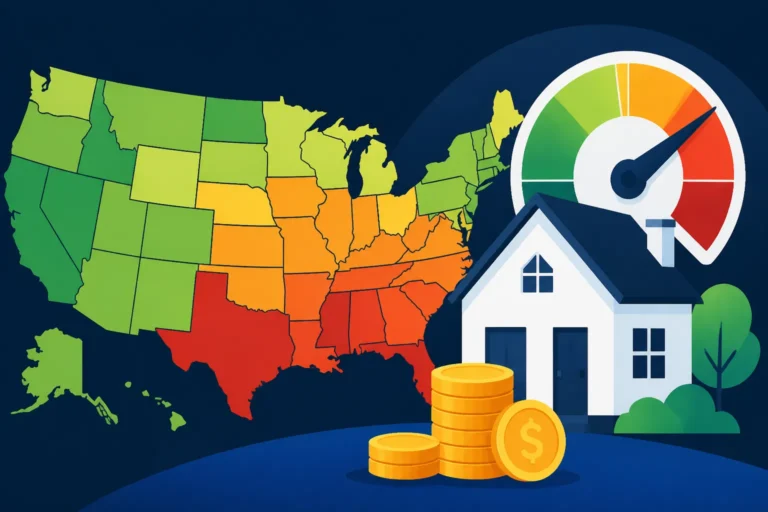
Tax Lien States are jurisdictions where the local government sells the lien on delinquent property taxes to private investors. The investor then earns interest on the amount paid until the homeowner redeems the lien. If the homeowner fails to redeem within the specified period, the investor can initiate proceedings to acquire the property, usually through a tax deed application or judicial foreclosure. States that commonly employ tax lien certificate sales include:
- Arizona: Known for competitive premium bids and high statutory interest rates.
- Florida: Popular for its online auctions and 18% maximum interest rate, often bid down significantly.
- Maryland: Offers a higher statutory interest rate, typically around 18%.
- New Jersey: Has a robust tax lien market, with interest rates up to 18% and a longer redemption period.
- Illinois: Known for competitive bidding driving interest rates very low, even to 0%.
- Indiana: Also features competitive interest rate bidding.
Tax Deed States, on the other hand, do not sell the lien. Instead, after a period of delinquency and various notices, the government directly takes ownership of the property and then sells the property itself (the deed) at a public auction. The winning bidder at a tax deed sale immediately receives the deed to the property, though sometimes with a short redemption period following the sale. Examples of tax deed states include California, Texas, Georgia, and Ohio.
| Feature | Tax Lien Certificate | Tax Deed Sale |
|---|---|---|
| What is Sold | The right to collect delinquent taxes + interest | The actual property deed |
| Investor Goal | Earn interest; potential property ownership if unredeemed | Acquire property for a low price |
| Property Ownership | Homeowner retains ownership during redemption period | Investor typically gains ownership immediately after sale |
| Redemption Period | Yes, homeowner can pay off the lien to keep property | Some states have short post-sale redemption periods |
| Risk Profile | Lower initial risk, but potential for foreclosure costs if not redeemed | Higher initial risk due to immediate ownership, but potentially higher reward |
| Common States | AZ, FL, MD, NJ, IL, IN | CA, TX, GA, OH, NY |
This table highlights the fundamental difference between these two systems, which is crucial for both homeowners and investors to understand. You can explore this further in our guide on tax lien states vs tax deed states.
The Homeowner's Perspective: What Happens When a Lien is Issued?
From the homeowner's viewpoint, a tax lien certificate signals a serious problem that, if ignored, can lead to the loss of their home. Understanding the process and available options is critical for protecting one's property.
The Timeline of Delinquency and Notification
When property taxes go unpaid, it's not an instant path to a tax lien certificate sale. There's a defined process and timeline, which varies by state and even by county. Initially, after the due date, the taxes become delinquent, and penalties and interest start to accrue. The local tax collector's office will send multiple notices to the homeowner, typically by mail, informing them of the overdue amount, the penalties, and the potential consequences, including the possibility of a tax lien being placed on the property.
For example, in many parts of Florida, property taxes are due by March 31st. If unpaid, they become delinquent on April 1st, and then tax lien certificates are usually auctioned off sometime in late spring or early summer. Before the auction, the county will likely send several delinquent notices and may even publish lists of delinquent properties in local newspapers. The intent is to give the homeowner every opportunity to rectify the situation. Missing these notices, or failing to act upon them, significantly escalates the risk. It’s a progression from a simple missed bill to a legally enforceable lien that can attract investors. Understanding your rights and responsibilities from the moment your taxes become delinquent is crucial. Knowing how to read your property tax bill can help you identify these issues early.
Redeeming Your Property After a Tax Lien Sale
If a tax lien certificate has been sold on your property, it means an investor has paid your delinquent taxes to the county. However, you haven't lost your home yet. During the redemption period, which, as discussed, can range from a few months to several years depending on state law, you have the legal right to "redeem" the lien.
To redeem, you must pay the tax lien certificate holder (or the county, which then forwards the payment to the investor) the original amount of the delinquent taxes, plus any penalties, administrative fees, and the interest that has accrued on the certificate since it was sold. Once you make this full payment, the tax lien certificate is canceled, and the lien is removed from your property's title. The investor gets their investment back with the agreed-upon interest, and you retain full ownership of your home, free and clear of that specific tax lien. It's a critical safety net for homeowners, designed to give them a chance to catch up and prevent outright foreclosure. Many homeowners, upon realizing the gravity of the situation, will scramble to find funds, perhaps through a personal loan from LendingTree, a family gift, or even by selling other assets, to meet the redemption requirements.
Potential Consequences and How to Avoid Them
Failing to redeem a tax lien certificate within the statutory redemption period can have dire consequences: the loss of your home. Once the redemption period expires, the tax lien certificate holder typically has the right to initiate legal proceedings to obtain the property's deed. This could involve applying for a tax deed directly from the county or filing a judicial foreclosure lawsuit in court, depending on the state's laws. Either way, the process aims to transfer ownership from you, the homeowner, to the investor who holds the lien.
To avoid this worst-case scenario, proactive steps are essential.
- Pay your taxes on time: This is the most straightforward solution. If you're struggling, don't ignore the bills.
- Contact the tax collector's office: Many counties offer payment plans or deferral programs, especially for seniors or those facing financial hardship. They might be able to help you set up an installment plan to catch up on delinquent taxes.
- Explore exemption programs: You might qualify for a homestead exemption, a senior exemption, or other property tax relief programs that could lower your overall tax burden. Check out the comprehensive guide on homestead exemption: complete state-by-state guide or what is a senior property tax freeze for potential relief.
- Seek financial counseling: Non-profit housing counselors can often provide advice on managing debt and exploring options to keep your home.
- Understand your notices: Don't throw away official mail from the tax assessor or county. These documents contain crucial information about deadlines and your rights.
The consequences of inaction are severe, making early intervention and understanding your options paramount to safeguarding your home.
Navigating the Complexities of Tax Lien Investing
For those looking to enter the world of tax lien investing, it's more than just bidding at an auction; it involves meticulous research, strategic planning, and an understanding of legal intricacies.
Due Diligence and Research for Successful Investing
Successful tax lien investing hinges heavily on thorough due diligence. You can't just blindly bid on any property. Investors need to research several key factors for each lien they consider:
- Property Value: What is the market value of the property? Is there enough equity to justify the investment and potential foreclosure costs? This helps ensure you're not overpaying for a lien on a property that's barely worth the tax debt.
- Property Condition: While a physical inspection isn't always possible before a lien sale, investors should use satellite imagery, street views, and any publicly available photos or assessment data to gauge the property's condition. A dilapidated property could mean high repair costs if you end up owning it.
- Other Liens: While tax liens have super priority, understanding other liens (mortgages, mechanic's liens, HOA liens) is crucial. They won't get paid before your tax lien, but they can complicate a future foreclosure process and affect the property's marketability if you take ownership.
- Location and Market Trends: Research the neighborhood. Is it a growing area or in decline? Are properties easy to sell? This helps assess the desirability of the property if you eventually acquire it.
- Redemption History: For properties that have had tax liens in the past, checking their redemption history can offer clues about the owner's ability or willingness to pay.
- Owner Information: Knowing who the owner is (individual, corporation, deceased estate) can sometimes indicate the likelihood of redemption or the complexity of foreclosure.
Tools like Stessa, designed for rental property management, can be adapted by savvy investors to track properties under consideration or those for which they hold liens, keeping crucial data organized for analysis and decision-making. Utilizing county appraisal district websites is also paramount for property tax search and lookup.
The Role of Redemption Periods and Foreclosure Risk
For tax lien investors, the redemption period is a double-edged sword. On one hand, it's the period during which they earn their interest. The longer the redemption period, the more interest they accrue, assuming the lien is eventually redeemed. On the other hand, it's also a period of waiting, during which their capital is tied up, and there's no guarantee the homeowner will redeem.
If the homeowner does not redeem, the investor faces the "foreclosure risk"—the need to initiate legal action to gain ownership of the property. This process can be lengthy, complex, and expensive, involving court fees, legal counsel, and potentially dealing with existing occupants or removing other liens to clear the title. The specific foreclosure process varies greatly by state. Some states require a judicial foreclosure (a lawsuit through the courts), which can take years, while others have an administrative tax deed application process that is faster but still requires strict adherence to legal notices and procedures. Investors must factor these potential costs and timelines into their investment strategy. The goal for many tax lien investors is to earn the high interest and have the lien redeemed, avoiding the headaches and expenses of foreclosure altogether.
Comparing Tax Lien Certificates with Tax Deeds
While often discussed together, tax lien certificates and tax deeds represent distinct investment strategies with different risk-reward profiles.
- Tax Lien Certificates (as discussed): You buy the right to collect delinquent taxes plus interest. The homeowner retains ownership during the redemption period. Your primary return is the interest, with property ownership as a secondary, often less desired, outcome if the lien is not redeemed and you pursue foreclosure. The initial capital outlay is typically lower than a tax deed.
- Tax Deeds: You buy the property itself directly from the government at an auction, usually after a period of non-payment and failed attempts by the government to collect taxes. The winning bidder receives the deed to the property immediately (or after a short post-sale redemption period in some states). The goal is typically to acquire real estate at a deep discount. While you might get a property for a fraction of its market value, there are higher upfront risks, including the possibility of hidden issues with the property's condition or title. Many times, these properties are sold "as-is," meaning the buyer takes on all responsibility for its state.
Choosing between tax lien certificates and tax deeds depends on an investor's goals and risk tolerance. If steady, high-interest returns are the primary goal, and the investor prefers to avoid property management, tax lien certificates might be more appealing. If acquiring real estate at a discount is the objective, with the willingness to undertake potentially greater risk and effort, tax deed sales could be the preferred route. Both require extensive due diligence to mitigate the inherent risks. For those interested in acquiring property directly, exploring tax deed sales explained would be beneficial.
Protecting Your Home from Property Tax Liens
The best offense is a good defense when it comes to property tax liens. Proactive management and understanding of your obligations can help you avoid this stressful situation altogether.
Understanding Your Property Tax Bill and Obligations
Many homeowners view their property tax bill as just another invoice, but it's much more than that. It's a detailed breakdown of your financial obligations to your local community and the first line of defense against future liens. Take the time to understand every line item:
- Assessed Value: This is the value your local appraisal district assigns to your property for tax purposes. It's often different from the market value. Our guide on assessed value vs market value vs taxable value can clarify these distinctions.
- Tax Rate (or Mill Rate): This is the rate at which your property is taxed, usually expressed in dollars per $100 or $1,000 of assessed value. What is a mill rate? (Millage Explained) provides a detailed explanation.
- Taxing Authorities: Your bill will likely show taxes owed to various entities—the county, city, school district, special improvement districts, etc. Understanding who sets property tax rates is important for civic engagement.
- Exemptions: Are you receiving all the exemptions you're entitled to? Homestead exemptions, senior exemptions, or veteran exemptions can significantly reduce your taxable value and, consequently, your tax bill.
- Due Dates and Penalties: Clearly note the deadlines for payment and the penalties for late payment. These can add up quickly.
If you don't understand something on your bill, don't guess or ignore it. Contact your local tax assessor's office for clarification. They are typically very helpful in explaining the details. Proactively addressing discrepancies or questions can prevent small issues from escalating into major problems.
Resources and Assistance for Struggling Homeowners
Life happens, and sometimes, despite best intentions, homeowners fall behind on their property taxes. It's crucial to know that you're not alone and resources exist to help.
- Payment Plans: Many local tax collection offices offer installment payment plans for delinquent taxes. These plans allow you to pay off your overdue amount over time, often with reduced penalties or interest, preventing the sale of a tax lien certificate. Don't wait for the lien to be sold; contact them as soon as you anticipate or experience difficulty.
- Property Tax Deferral Programs: Some states and counties offer property tax deferral programs, particularly for seniors or low-income homeowners. These programs allow you to postpone paying property taxes until a later date (often until the property is sold or transferred), with the deferred amount becoming a lien against the property. Our pillar post on property tax deferral programs by state provides a comprehensive overview.
- Homestead and Other Exemptions: Double-check if you qualify for any exemptions you might not be currently receiving. These can include a homestead exemption, senior exemptions (like the Texas over-65 property tax exemption & school tax freeze), disabled veteran exemptions, or other specialized relief programs.
- Non-Profit Housing Counseling: Organizations like the National Foundation for Credit Counseling (NFCC) or local HUD-approved housing counseling agencies can provide free or low-cost advice on managing financial difficulties and navigating options to keep your home.
- Local Assistance Programs: Check with your city or county government. Sometimes, there are temporary relief programs funded by grants or local initiatives to help residents facing economic hardship.
Ignoring the problem is the worst thing you can do. Reaching out for help early significantly increases your chances of resolving the issue without losing your home.
Strategies for Avoiding Delinquency
Beyond seeking help when already struggling, implementing sound financial habits can prevent property tax delinquency from ever becoming an issue.
- Escrow Accounts: If you have a mortgage, your lender likely requires an escrow account. This means a portion of your monthly mortgage payment goes into a separate account to cover property taxes and homeowners insurance. The lender then pays these bills on your behalf when they are due. This is often the easiest way to ensure taxes are paid on time, as it spreads the cost throughout the year. For more information, read about escrow & impound accounts explained.
- Self-Escrow for Paid-Off Homes: If you've paid off your mortgage and no longer have an escrow account, it's crucial to create your own system. Consider setting aside a portion of your income each month into a dedicated savings account specifically for property taxes. When the bill comes, the funds will be readily available.
- Budgeting and Financial Planning: Incorporate property taxes into your overall household budget. Use financial planning tools (even a simple spreadsheet or budgeting apps) to track income and expenses, ensuring you allocate enough money for these essential obligations.
- Review Your Assessment: Your property's assessed value directly impacts your tax bill. If you believe your property has been over-assessed, you have the right to appeal. Learning how to appeal property taxes: complete guide can empower you to potentially lower your tax burden. Regularly reviewing your assessment, even annually, can help identify potential overcharges.
- Stay Informed: Keep an eye on local news and government websites for information regarding property tax changes, new assessment cycles, or available relief programs. Proactive awareness is key to financial stability as a homeowner.
By staying organized, informed, and proactive, you can ensure your property taxes are paid on time, protecting your home from the complexities and risks associated with tax lien certificates.
Disclaimer
The information provided in this guide is for general informational purposes only and does not constitute financial, legal, or tax advice. Property tax laws and procedures vary significantly by state and local jurisdiction and are subject to change. Always consult with a qualified financial advisor, real estate attorney, or tax professional for advice tailored to your specific situation.