Personal Property Tax: Business Equipment & Vehicle ‘Car Tax’
One of the trickiest parts of owning property, whether it's your home, a fleet of work vehicles, or the equipment that keeps your small business running, is navigating the often-confusing world of personal property tax. Unlike real estate taxes, which are generally straightforward about what they cover (land and buildings, right?), personal property tax can feel like a hidden fee, popping up on everything from your family car to the computers and machinery vital to your livelihood. This guide aims to demystify personal property tax, breaking down exactly what it is, why it exists, and how it impacts your wallet, covering everything from the infamous "car tax" to the assessments on your business equipment.
Understanding the Basics of Personal Property Tax
It's easy to get bogged down in the specifics of property tax, especially when different types of property are treated so differently. But at its heart, understanding personal property tax starts with a clear distinction between what's considered "real" and what's "personal." This foundational knowledge is key to making sense of your tax obligations and avoiding any unwelcome surprises.
Real Property vs. Personal Property: The Core Distinction
When we talk about property taxes, most people immediately think of their house and the land it sits on. This is what's known as "real property." It's essentially immovable assets – the dirt, the structures permanently affixed to it, and anything that's considered part of the real estate itself. If you picked up your house and moved it, everything that stayed behind would be real property. Things like your home, your garage, the fence around your yard, even the trees planted on your land, fall into this category. The tax on these items is typically based on the property's assessed value and contributes to local services like schools and fire departments.
On the other hand, "personal property" is, quite literally, personal belongings. These are assets that are movable and not permanently attached to real estate. Think about it this way: if you moved, what would you take with you? Your furniture, your car, your artwork, your jewelry, and for businesses, your machinery, tools, and office equipment. The distinction isn't always perfectly clear-cut, which is where some of the confusion arises. For instance, a shed on your property might be real property if it's built on a permanent foundation, but personal property if it's a prefabricated structure that can be easily moved. Each state and even individual localities can have slightly different definitions, leading to a patchwork of rules that homeowners and business owners must contend with. Understanding this basic difference is the first step in figuring out if your assets are subject to personal property tax. For a broader view on how different assets are taxed, check out our guide on How Property Type Affects Your Tax Assessment.
Why Some States Levy Personal Property Tax
The existence of personal property tax isn't just about making your life more complicated; it's a historical and practical way for state and local governments to generate revenue. In many areas, particularly those with lower real estate property tax rates or where the tax base isn't as robust, personal property taxes supplement the funds needed for public services. These services are the backbone of our communities: schools, roads, libraries, police and fire departments, and other essential local government operations. Without diverse revenue streams, these services would be severely underfunded, impacting everyone.
Historically, before widespread income or sales taxes, taxing tangible assets was a primary method for governments to fund their operations. While many states have moved away from broad personal property taxes on household goods, a significant number still apply them to vehicles, boats, aircraft, and business equipment. This is often because these items represent substantial value and can be easily tracked (especially vehicles through state registration). The rationale is that these assets benefit from local infrastructure and services – your car drives on local roads, your business benefits from the local workforce and public safety – and therefore should contribute to their upkeep. The absence of a statewide income tax or limitations on real estate taxes can further emphasize the need for personal property tax as a vital revenue source, showing how deeply embedded it is in the fiscal policies of certain regions.
Common Types of Personal Property Subject to Tax
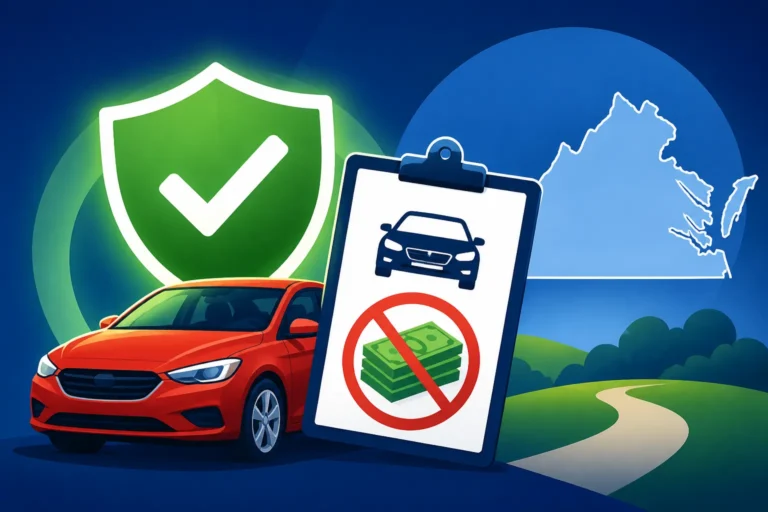
While the exact list can vary significantly from one jurisdiction to another, certain categories of personal property are more commonly subject to taxation. The most well-known example for individuals is often the vehicle or "car tax." This tax is typically assessed annually on the fair market value of your automobiles, motorcycles, RVs, and even boats or aircraft. It's an annual fee that can feel like a punch to the gut, especially when you're already paying for registration and insurance. States like Virginia, Massachusetts, and Connecticut are well-known for their vehicle property taxes, and the amount can fluctuate year to year based on the vehicle's depreciated value.
For businesses, the scope of personal property tax is much broader. This can include nearly any tangible asset used in the operation of a business. We're talking about office furniture, computers, manufacturing equipment, tools, machinery, inventory, and even certain fixtures that aren't considered part of the real estate. Imagine a small accounting firm; their desks, chairs, computers, printers, and specialized software licenses might all be subject to personal property tax. Or consider a local bakery: their ovens, mixers, display cases, and point-of-sale systems could be on the tax roll. The idea here is that these assets contribute to the business's ability to generate income within the community, thus justifying their contribution to the local tax base. Understanding what specifically is taxed in your area requires a deep dive into your local assessor's guidelines, as they can sometimes differ even between neighboring counties.
Navigating Vehicle "Car Tax" in Different States
The "car tax" is arguably the most talked-about and often lamented form of personal property tax for individuals. It's a recurring expense that can add hundreds, sometimes thousands, of dollars to your annual budget, depending on where you live and what you drive. Understanding how it works across states is crucial, especially if you're considering a move or buying a new vehicle.
States with Notable Vehicle Property Taxes
Not all states impose a personal property tax on vehicles, which can be a major factor for people when deciding where to live. However, for those states that do, it can represent a significant annual cost. Virginia, for instance, is notorious for its vehicle personal property tax, with rates varying by locality. If you live in Fairfax County, the tax rate will differ from that in Loudoun County, and both are subject to the state's rules regarding how vehicles are valued. You'll find similar systems in states like Massachusetts, where towns and cities levy an "excise tax" on vehicles, and in Connecticut, where vehicles are assessed and taxed at the local level. Missouri is another state where residents frequently encounter a personal property tax bill for their cars, and it's a topic of frequent discussion among its citizens.
These taxes aren't uniform; some states tax at a lower rate, some have more generous exemptions, and others tie the tax directly to the vehicle's market value. For instance, in some states, classic cars might be valued differently, or older vehicles might reach a minimum taxable value. Residents moving from a state without a car tax, like Texas or California, to a state that has one, such as Virginia, often experience sticker shock. It's not just about the upfront cost of the vehicle; it's about the ongoing, often unexpected, expense. It's always wise to research Which States Have Personal Property Tax on Vehicles? before making significant decisions about where to reside or register your car.
How Vehicle Values Are Assessed
The cornerstone of your vehicle personal property tax bill is the assessed value of your car. This isn't usually what you paid for the car, nor is it necessarily what you could sell it for today on a private market. Instead, local tax assessors use specific methodologies to determine this value. Often, they rely on standardized valuation guides like the National Automobile Dealers Association (NADA) guide or Kelly Blue Book (KBB), or similar industry-standard pricing tools. These guides provide estimated values based on the vehicle's make, model, year, and condition.
The process typically involves a mass appraisal approach. Assessors will take the base value from these guides and then make adjustments for factors like mileage, options, and general condition. They're not usually inspecting every single vehicle; instead, they apply a uniform standard. This means your perfectly maintained classic car might be valued the same as a similar model with more wear and tear if the assessment system doesn't account for individual nuances. The assessment generally reflects the vehicle's value as of a specific date, often January 1st of the tax year. As your car ages, its value will typically depreciate, leading to a lower tax bill over time, assuming the tax rates remain consistent. However, market fluctuations, like those seen during periods of high demand for used cars, can sometimes lead to unexpected increases in assessed value.
The Impact of Residency and Vehicle Ownership
Where you live and how you own your vehicle can significantly impact your personal property tax liability. Generally, personal property tax on vehicles is levied by the jurisdiction where the vehicle is garaged or principally located. This means if you own a home in one county but primarily keep your car at a rental property in another, you might be subject to the second county's taxes. Residency rules are critical here; merely registering your vehicle in a low-tax area while living and operating it primarily in a high-tax area can lead to legal issues and penalties. Many localities actively pursue individuals who attempt to avoid their local taxes through such maneuvers.
Furthermore, how the vehicle is titled also matters. If a car is owned by an individual, it's typically taxed to that individual. If it's owned by a business, it falls under business personal property tax rules, which can have different reporting requirements and assessment methods. For example, a vehicle owned by a family might be eligible for certain individual exemptions if they exist, whereas a company car would not. Moving states, even temporarily, requires careful consideration of vehicle registration and tax implications. For instance, if you move from Texas, which has no annual vehicle personal property tax, to Virginia, you'll need to register your vehicle in Virginia and will then be subject to their local "car tax." This often means a new annual expense that wasn't factored into your previous budget.
Business Personal Property Tax: What Entrepreneurs Need to Know
For business owners, personal property tax isn't just about vehicles; it extends to almost every tangible asset that helps your company operate. This can be a substantial annual cost, and understanding the rules, reporting requirements, and potential exemptions is critical for accurate financial planning and compliance.
Identifying Taxable Business Personal Property
The range of assets that fall under business personal property tax can be surprisingly broad, often encompassing everything from the smallest office supplies to large industrial machinery. Basically, if it's movable, used for business operations, and has a value, it's likely on the radar. This includes office equipment like computers, printers, scanners, and phones. Furniture such as desks, chairs, filing cabinets, and conference tables are also typically included. For manufacturing or service-based businesses, machinery, tools, specialized equipment (like medical devices, restaurant ovens, or construction equipment), and even inventory can be subject to this tax.
Consider a small marketing agency in a state like Missouri or Ohio. Their laptops, server, fancy office chairs, graphic design software (if considered tangible property or bundled with hardware), and even the artwork on their walls could be assessed. A landscaping company, on the other hand, would face personal property tax on its trucks, mowers, trimmers, leaf blowers, and trailers. Even seemingly minor assets can add up. The key is that these items are not permanently affixed to the real estate, distinguishing them from improvements that would fall under real property tax. Keeping accurate records of all your business assets from the moment of acquisition is essential for accurate reporting and avoiding over-assessment. If you’re managing multiple rental properties, keeping track of business assets can be a lot. Tools like Stessa can help you track expenses and asset depreciation, which is super useful when it comes to reporting for business personal property tax.
The Assessment and Reporting Process for Businesses
Unlike individual vehicle owners who often receive an annual tax bill based on DMV records, businesses typically have a more involved assessment and reporting process for personal property. Most jurisdictions require businesses to file an annual personal property tax return, often called a "personal property declaration" or "rendition." This return lists all the business's tangible personal property as of a specific assessment date (e.g., January 1st) and its acquisition cost. Businesses are responsible for accurately reporting their assets.
The assessor's office then uses this information, applying depreciation schedules and assessment ratios, to determine the taxable value. For instance, a new computer purchased for $1,500 might be assessed at 100% of its value in year one, then depreciated to 70% in year two, and so on, using a standard schedule. The assessed value is then multiplied by the local millage rate to calculate the tax owed. Missing deadlines or underreporting assets can lead to penalties, including fines and interest. Conversely, over-reporting or failing to claim applicable depreciation can lead to higher tax bills than necessary. Therefore, meticulous record-keeping, including purchase dates, costs, and disposal dates for all assets, is not just good business practice but a critical tax compliance requirement. It’s important to understand the details of Business Personal Property Tax Explained to stay compliant.
Strategies for Managing Business Personal Property Tax
Managing business personal property tax effectively requires proactive planning and a clear understanding of your local tax laws. One primary strategy is thorough record-keeping. Maintaining detailed asset registers that include acquisition dates, original costs, and asset categories will streamline the reporting process and ensure accuracy. This means having a clear system for tracking every new piece of equipment, furniture, or vehicle your business acquires, as well as when it's sold or disposed of.
Another key strategy is understanding and utilizing depreciation. Personal property depreciates in value over time, and tax assessors often use standardized depreciation schedules. Businesses should ensure that the depreciation applied to their assets for tax assessment purposes is accurate and reflects the actual decline in value, if the local rules allow for such adjustments. Disposing of old, unused equipment can also help reduce your taxable personal property base. Why pay tax on a dusty old server you haven't used in years? Regularly reviewing your asset list and removing items no longer in service can lead to tangible savings. Lastly, consider consulting with a tax professional who specializes in business personal property tax. They can offer insights into state-specific exemptions, valuation methodologies, and appeal processes, ensuring your business minimizes its tax burden while remaining fully compliant. For businesses with extensive property holdings, tracking all this information manually can be a headache. Integrated property management platforms like Stessa can help centralize financial data, making it easier to track asset acquisitions and depreciation, which is vital for accurate personal property tax reporting.
How Personal Property Tax is Calculated
The calculation of personal property tax can seem like a mysterious art, but it generally follows a fairly consistent formula involving assessed values and tax rates. Breaking down these components can help you understand exactly how your bill is derived and where opportunities for accuracy or even appeal might lie.
Assessment Ratios and Millage Rates in Practice
At its core, personal property tax is calculated by applying a tax rate to the assessed value of your property. However, this isn't always as simple as it sounds. First, let's talk about the "assessed value." While the assessor determines the market value of your property (what it might sell for), the assessed value for tax purposes might be a fraction of that market value. This is where "assessment ratios" come into play. For instance, a state might have an assessment ratio of 50%, meaning if your vehicle's market value is $20,000, its assessed value for tax purposes is $10,000. These ratios are set by state or local law and ensure some uniformity in how property values translate into taxable values.
Once the assessed value is determined, it's subjected to the "millage rate," often called the "tax rate." A millage rate is expressed in "mills," where one mill equals $1 of tax for every $1,000 of assessed value. So, if your locality has a millage rate of 30 mills, it means you'll pay $30 for every $1,000 of your property's assessed value. Using our previous example, if your vehicle has an assessed value of $10,000 and the millage rate is 30 mills, your tax bill would be ($10,000 / $1,000) * $30 = $300. These rates are set by local governing bodies – county commissions, city councils, and school boards – to fund their annual budgets. Understanding What Is a Mill Rate? (Millage Explained) is crucial for deciphering your tax bill.
Depreciation and Its Role in Valuation
Depreciation is a critical factor in personal property valuation, especially for assets like vehicles and business equipment. Unlike real property, which might appreciate over time (or at least hold its value relatively well), most personal property tends to lose value with age and use. Tax assessors understand this and typically incorporate depreciation schedules into their valuation methods. These schedules assign a decreasing percentage of the original cost as the asset ages.
For example, a brand-new business computer might be assessed at 100% of its purchase price in year one, but by year two, it might only be assessed at 75%, year three at 50%, and so on, until it reaches a minimum residual value. Similarly, your car's value will decline each year, usually leading to a lower personal property tax bill. However, it's important to recognize that the depreciation schedules used for tax assessment might not perfectly align with the asset's actual market depreciation or the depreciation schedules used for federal income tax purposes. Assessors generally use uniform schedules to maintain equity across all taxpayers. Business owners, in particular, need to be aware of these schedules as they complete their annual personal property declarations, ensuring they report assets accurately and benefit from the appropriate depreciation allowances.
Understanding Your Personal Property Tax Bill
Receiving your personal property tax bill can sometimes feel like trying to read a foreign language, filled with acronyms and figures that don't immediately make sense. However, with a little guidance, you can usually break it down. Your bill will typically include several key pieces of information. First, it will clearly state the taxable item, whether it's your vehicle (make, model, VIN) or a summary of your business personal property. Next, it will show the appraised value or market value as determined by the assessor. This is the estimated fair value of the item.
Following that, you'll see the assessed value, which is the portion of the appraised value that is actually taxable, taking into account any assessment ratios. This is the number that the tax rate is applied to. Then comes the tax rate itself, usually expressed in mills or as a percentage. Finally, the bill will clearly state the total amount due, along with the due date and any applicable penalties for late payment. Some bills might also itemize the different taxing authorities benefiting from the tax, such as the county, city, and school district, showing how the total amount is allocated. If you notice any discrepancies, such as an incorrect vehicle year or an asset that you no longer own being listed, that's your cue to contact the assessor's office. For help understanding your real estate tax bill, you can check out How to Read Your Property Tax Bill.
Exemptions and Relief Programs for Personal Property Tax
Just like with real estate property taxes, there are often exemptions and relief programs available for personal property taxes. These programs can significantly reduce your tax burden, but they rarely apply automatically. You usually need to know about them and actively apply to receive the benefits.
Common Exemptions for Vehicles and Business Assets
Exemptions for personal property tax vary widely by state and locality, but some common categories exist. For vehicles, one of the most significant forms of relief comes from state-level programs that either cap the taxable value or provide a direct credit. For example, Virginia's Personal Property Tax Relief Act of 1999 (PPTRA) provides tax relief for the first $20,000 of value on qualifying vehicles. This means if your car is valued at $20,000 or less, a significant portion (or even all) of its local personal property tax might be covered by the state. Some localities might also offer exemptions for certain types of vehicles, such as those used for farming.
For business assets, exemptions are often focused on encouraging economic development or supporting specific industries. Some states or counties might offer exemptions for new businesses' equipment for a certain period, or for specialized machinery used in manufacturing. Small businesses with a low total value of personal property might also qualify for a de minimis exemption, meaning if their total assessed value falls below a certain threshold (e.g., $5,000 or $10,000), they owe no personal property tax. It’s important to investigate these local provisions thoroughly, as a seemingly small exemption can save a struggling new enterprise crucial funds.
How to Apply for Exemptions
The most important thing to remember about personal property tax exemptions is that, in almost all cases, you have to apply for them. They are not typically granted automatically. The application process usually involves submitting a specific form to your local tax assessor's office by a set deadline. These forms will require you to provide documentation to prove your eligibility. For example, if you're applying for a veteran's exemption for your vehicle (which some states offer for certain disabled veterans), you'd need to provide proof of your veteran status and disability rating.
For businesses, applying for exemptions might involve checking a box on your annual personal property tax rendition or submitting a separate application for specific programs like new business incentives. The deadlines are critical; missing a deadline usually means you lose the exemption for that tax year, even if you are otherwise eligible. Therefore, it's essential to visit your local assessor's website or contact their office directly to understand the available exemptions, eligibility requirements, and application procedures. Don't leave money on the table simply because you didn't know about or didn't apply for a benefit! This proactive approach is similar to applying for a Homestead Exemption: Complete State-by-State Guide for your primary residence.
State-Specific Relief for Seniors and Veterans
Beyond general exemptions, many states offer targeted relief programs for specific demographics, most notably seniors and veterans. For seniors, personal property tax relief often comes in the form of income-based exemptions or freezes. Similar to real estate property tax freezes, a "senior freeze" might cap the assessed value of a senior's vehicle or certain household items at a specific point, preventing their tax bill from rising even if the property's value increases. Eligibility for these programs typically depends on age and income thresholds, which vary significantly by state and county.
Veterans, especially disabled veterans, are often afforded generous exemptions on personal property, particularly for vehicles. In some states, a 100% disabled veteran may be completely exempt from personal property tax on one or more vehicles. Other states might offer a partial exemption or a reduction based on the percentage of disability. These programs are a way of acknowledging the service and sacrifice of veterans. To take advantage of these benefits, veterans or seniors need to apply through their local tax assessor's office, providing necessary documentation like discharge papers, disability ratings, or income statements. For specific information, search for Senior & Over-65 Property Tax Exemptions and Freezes or Veteran & Disabled Veteran Property Tax Exemptions in your state.
Appealing Your Personal Property Tax Assessment
Finding out your personal property has been valued higher than you think it should be, or higher than comparable items, can be incredibly frustrating. The good news is that you often have the right to appeal your personal property tax assessment. This process can be daunting, but it's a vital tool for ensuring you're paying your fair share, and no more.
When and Why to Consider an Appeal
You should absolutely consider appealing your personal property tax assessment if you believe the assessor's valuation is inaccurate or unfair. There are several common scenarios where an appeal makes sense. Perhaps the most obvious reason is if the assessor has an incorrect description of your property. For a vehicle, this could mean they've mistaken your base model for a premium trim, or for business equipment, they might have a higher-end model listed when you own a more basic version. Errors like incorrect mileage, year, make, or model on a vehicle's assessment can significantly inflate its value.
Another strong reason to appeal is if the assessed value doesn't reflect the actual condition or market value of your property. Maybe your business equipment has sustained significant wear and tear, or your vehicle has unusually high mileage or cosmetic damage that wasn't factored into the standard depreciation schedule. Finally, you might appeal if you believe your property is being assessed unequally compared to similar properties in your jurisdiction. For instance, if your five-year-old mid-range sedan is assessed at a higher value than a neighbor's identical car in similar condition, you have grounds to protest. Understanding these triggers is the first step in deciding whether to pursue an appeal. Learning How to Lower Your Property Tax Assessment can involve this exact process.
Gathering Evidence for Your Appeal
Success in a personal property tax appeal hinges on robust, credible evidence. You can't just tell the assessor they're wrong; you need to prove it. The type of evidence you'll need will depend on why you're appealing. If you're disputing the condition of your property, detailed photographs showing damage, excessive wear, or mileage significantly above average for the vehicle's age are crucial. For business equipment, service records demonstrating frequent repairs or operational issues can be compelling.
If you're appealing based on market value, you'll want to gather comparable sales data. For vehicles, this means looking at recent private sales or dealer listings for identical or very similar make, model, year, and condition vehicles in your local market. Websites like Kelley Blue Book, Edmunds, or NADA guides can provide independent valuation estimates. For business equipment, recent sales of similar used equipment, or appraisals from certified equipment appraisers, can be powerful. You might also present your original purchase invoice if the assessed value exceeds the purchase price, especially for newer assets. The more objective and quantifiable your evidence, the stronger your case will be. Our guide on Evidence & Comps for a Property Tax Appeal offers more detailed advice.
The Appeal Process: Step-by-Step
While the specifics vary by jurisdiction, the personal property tax appeal process generally follows a predictable series of steps.
- Review Your Assessment Notice: As soon as you receive your assessment notice or tax bill, carefully review all the details. Check for accuracy regarding the property description, assessed value, and any applied exemptions. Note the deadline for appeals – it's often a tight window, usually 30-60 days from the date of the notice.
- Informal Review: Many jurisdictions offer an informal review process before a formal appeal. This often involves contacting the assessor's office directly to discuss your concerns. You might simply call or email them with your evidence. This can be the quickest way to resolve minor discrepancies and is a great first step.
- File a Formal Appeal: If the informal review doesn't resolve the issue, you'll need to file a formal appeal. This usually requires submitting a specific appeal form by the deadline, outlining your reasons for appeal and attaching all supporting evidence.
- Attend a Hearing (if applicable): Depending on the jurisdiction, your appeal might proceed to a hearing before a local appeal board (sometimes called an Appraisal Review Board or Board of Equalization). This is your opportunity to present your case and evidence in person. Come prepared, be polite, and stick to the facts.
- Receive a Decision: After the hearing, the board will issue a decision. If you're not satisfied with the outcome, you might have further appeal options, such as appealing to a state-level tax tribunal or even the courts, though these steps can be costly and complex.
It’s advisable to consult guides like How to Appeal Property Taxes: Complete Guide or a local tax professional if you're navigating a complex appeal, especially for high-value business assets.
Managing and Paying Your Personal Property Taxes
Once you understand how your personal property tax is assessed and calculated, the next critical step is managing and paying it. Staying on top of due dates and understanding your payment options can help you avoid penalties and ensure financial peace of mind.
Key Deadlines and Payment Methods
Just like with real estate taxes, personal property taxes come with strict deadlines. These can vary significantly by state and even by county. For vehicle personal property taxes, you might receive a bill annually, often due in the fall or early winter, sometimes aligning with your vehicle registration renewal. For business personal property taxes, the deadline for filing your annual rendition (your declaration of assets) is often in the spring, with the payment due later in the year, sometimes in multiple installments. Missing these deadlines can result in late fees, interest charges, and sometimes even liens on your property.
Payment methods have become much more flexible over the years. Most jurisdictions now offer multiple ways to pay:
- Online: Many county and city tax offices have online portals where you can pay with an e-check (often with a small fee) or a credit/debit card (usually with a processing fee). This is often the most convenient method.
- Mail: You can always mail a check or money order. Be sure to send it well in advance of the deadline to ensure it's postmarked on time.
- In Person: If you prefer, you can typically pay in person at the local tax assessor's or treasurer's office.
- Payment Plans: Some localities offer installment plans, especially for larger tax bills, allowing you to break up the payment into smaller, manageable chunks. You might need to apply for these plans, so inquire early if you think you'll need one.
Always double-check the specific instructions on your tax bill or your local tax authority's website for the most accurate and up-to-date information on deadlines and payment options. You can often find general guidance on How to Pay Property Taxes: Complete Guide.
Consequences of Non-Payment
Ignoring your personal property tax bill is never a good idea, as the consequences can escalate from minor annoyances to significant financial and legal troubles. The immediate consequence of non-payment is usually the imposition of penalties and interest. These can quickly add up, turning a manageable bill into a much larger one. For instance, in some areas, a flat penalty might be applied immediately, followed by monthly interest charges.
If taxes remain unpaid for an extended period, the consequences become more severe. For vehicles, localities can refuse to renew your vehicle registration, making it illegal to drive your car. They might also issue tax warrants, allowing them to levy your bank accounts or seize other personal assets to satisfy the debt. For businesses, unpaid personal property taxes can result in liens being placed on your business assets, making it difficult to sell or use that equipment as collateral. In extreme cases, local governments can seize and sell business property at auction to recover the outstanding taxes, much like a tax deed sale for real property. This can obviously be devastating for a business. Understanding the severe implications can prompt proactive solutions like payment plans or seeking financial assistance.
Best Practices for Record Keeping
Excellent record-keeping is not just a good habit; it's an essential strategy for managing personal property taxes, especially for businesses. When it comes to business personal property, you need a system to track every asset from acquisition to disposal. This includes:
- Purchase Date: The date you acquired the asset.
- Original Cost: The exact amount you paid for the asset, including shipping and installation if applicable.
- Description: A clear description of the asset, including make, model, serial number, and any distinguishing features.
- Location: Where the asset is primarily located (especially important for businesses with multiple locations).
- Disposal Date and Method: When and how an asset was removed from service (sold, scrapped, donated).
Maintaining these records helps you accurately complete your annual personal property tax renditions, claim appropriate depreciation, and have the necessary documentation if you need to appeal an assessment. Digital record-keeping systems or specialized property management software can be invaluable here. For landlords and real estate investors, platforms like Stessa can track property expenses, income, and even specific asset details for individual rental units, making it far easier to manage personal property that might be part of a furnished rental or business operations related to real estate. By keeping meticulous records, you're not just organized; you're financially protected and prepared for any tax inquiry.
Table: Personal Property Tax Examples by Asset Type and Scenario
To help visualize how personal property tax impacts different assets and situations, here's a table illustrating some common examples:
| Asset Type | Scenario | Common Taxing Entity | Key Valuation Factor | Potential Exemption/Relief | Example States (May Vary) |
|---|---|---|---|---|---|
| Vehicle | Daily commuter sedan, 3 years old | County/City | NADA/KBB market value | Virginia PPTRA (state credit), Senior/Veteran exemptions | VA, MA, CT, MO, RI |
| Vehicle | Brand new luxury SUV | County/City | High market value | Less likely for new luxury vehicles, minimal depreciation | VA, MA, CT, MO, RI |
| Business Equip. | Office computers for a startup | County/City | Original cost, depreciation | De minimis exemption (if total value low), new business incentives | OH, TX (select counties), GA, NC |
| Business Equip. | Heavy machinery for a manufacturing plant | County/City | Original cost, depreciation | Industrial development exemptions, specific industry relief | MI, IL, PA, KY |
| Boat | Recreational sailboat, owned by individual | County/City/State | Market value (NADA Marine) | Some states exempt small boats or non-motorized vessels | ME, MD, NC |
| Aircraft | Personal single-engine plane | County/City/State | Market value, condition | Certain agricultural or non-commercial use exemptions | VA, TX (some), FL (some) |
| Rental Property Furnishings | Furnished apartment, owned by LLC | County/City | Original cost, depreciation | Generally none; part of business personal property | NY (some), FL (some), CA (some) |
Note: Specific tax rates, assessment ratios, and available exemptions vary greatly by state, county, and municipality. This table provides general examples for illustrative purposes only.
Disclaimer
The information provided in this article is intended for general informational purposes only and does not constitute financial, tax, or legal advice. Property tax laws, assessment methods, and exemption programs are highly complex and vary significantly by state, county, and even municipality. It is crucial to consult with a qualified tax professional, attorney, or your local tax assessor's office for advice tailored to your specific situation. Reliance on any information in this article is solely at your own risk.