What Is a Property Tax Deed Sale?
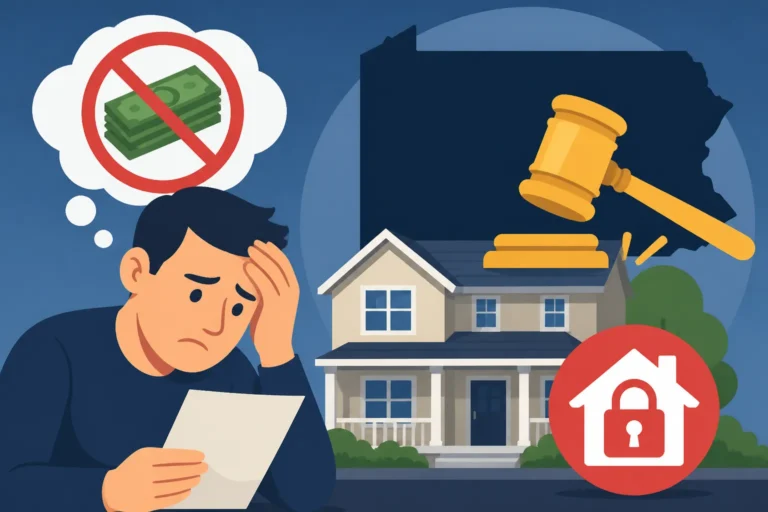
Losing your home, especially due to something as fundamental as property taxes, is a terrifying thought that keeps many homeowners up at night. It’s a harsh reality that if property taxes aren't paid, local governments have a powerful mechanism to collect those funds: the property tax deed sale. This guide is here to walk you through exactly what a property tax deed sale entails, how it differs from other tax collection methods, and what it means for both distressed homeowners and potential buyers.
Understanding Property Tax Delinquency and Its Consequences
The journey to a property tax deed sale isn't usually a sudden leap; it's a process, often a slow and painful one, that begins with unpaid property taxes. For many homeowners, falling behind on taxes can feel overwhelming, a silent struggle compounding other financial challenges.
The Road to Delinquency
Property taxes are the lifeblood of local communities. They fund essential services like public schools, police and fire departments, libraries, parks, and infrastructure projects that benefit everyone. When you own a home, you agree to contribute your share. However, life happens. Job loss, unexpected medical emergencies, or even just general financial mismanagement can make those tax bills seem insurmountable.
Initially, missing a payment usually results in late fees and penalties. These aren't just minor inconveniences; they add up quickly, making it even harder to catch up. Most jurisdictions have specific Property Tax Due Dates by State and a grace period, but once that passes, your property moves into a delinquent status. You might receive stern notices from the county tax assessor's office, outlining the mounting debt and the serious consequences of continued non-payment. It can feel like a spiral, where every missed payment digs the hole deeper. Understanding How to Read Your Property Tax Bill is crucial to track these charges.
The Role of the Local Government
It's easy to feel like the county is just trying to take your home, but from their perspective, they are obligated to collect these taxes to keep the community functioning. Imagine if roads weren't maintained, schools couldn't pay their teachers, or emergency services were cut. That's the dire scenario local governments face if property tax revenues dry up.
So, while it's deeply personal for a homeowner, for the county, it's about fiscal responsibility. They exhaust various avenues to collect delinquent taxes, including sending notices, offering payment plans, and sometimes even placing a property tax lien on the home. A lien means the county has a legal claim against the property, which takes priority over most other debts. If these efforts fail, the ultimate step is often a tax sale, with the exact method varying significantly by state and local ordinances.
What Exactly Is a Property Tax Deed Sale?
This is where things can get confusing, because not all "tax sales" are created equal. It's really important to understand the fundamental difference between a tax deed sale and a tax lien sale, as their outcomes for both the buyer and the original homeowner are drastically different.
Distinguishing Tax Deed Sales from Tax Lien Sales
Let's clear up a common misconception right off the bat: a property tax deed sale is not the same as a tax lien sale, although both stem from unpaid property taxes.
-
Property Tax Deed Sale: In states that hold tax deed sales, when property taxes remain unpaid for a statutory period, the local government can directly sell the property itself to recover the delinquent taxes. The successful bidder at a tax deed sale receives a tax deed, which, after a certain process (and sometimes after a short redemption period, depending on the state), can give them ownership of the property. This means you, as the original homeowner, are losing ownership of your property directly. States like California, Florida, and Georgia often operate as tax deed states.
-
Tax Lien Sale: In contrast, a tax lien sale involves the local government selling the tax lien on a property to an investor, not the property itself. The investor essentially pays the delinquent taxes to the county and, in return, receives a tax lien certificate. This certificate gives the investor the right to collect the back taxes, plus interest, from the homeowner. The original homeowner still owns the property, but now owes the taxes (plus interest and penalties) to the investor instead of the county. If the homeowner doesn't pay the investor within a specific timeframe (the redemption period), the investor then has the right to initiate foreclosure proceedings to potentially take ownership of the property. You can learn more about Property Tax Liens Explained and Tax Lien Sales & Certificates. Many states, including Arizona, Illinois, and New Jersey, are primarily tax lien states.
The key takeaway? A tax deed sale is generally a more direct and immediate path to losing your property, whereas a tax lien sale gives the homeowner a longer window (the redemption period) to pay off the debt and keep their home.
The Mechanics of a Tax Deed Sale
The process for a tax deed sale is meticulously outlined by state and local laws, and it usually involves several distinct steps designed to give the homeowner ample notice. However, once those steps are completed, the sale typically moves forward.
- Notification: Once property taxes are severely delinquent, the tax collecting authority will send multiple official notices to the homeowner, often by certified mail. These notices clearly state the amount owed, the penalties, and the intent to sell the property if the debt is not settled. They will also specify the timeframe for payment and any opportunities for the homeowner to avoid the sale.
- Public Announcement: Before the sale, the event is publicly advertised in local newspapers, government websites, and official postings, listing the properties slated for auction. This ensures transparency and gives potential buyers a chance to research the properties.
- Auction: Tax deed sales are typically held as public auctions, often conducted by the county tax collector or sheriff's office. Bidders compete for the properties, and the property is usually sold to the highest bidder. The starting bid often covers the delinquent taxes, penalties, interest, and administrative costs.
- Transfer of Deed: Upon successful bid and payment, the purchaser receives a tax deed. While this deed is issued by the taxing authority, it's important for buyers to understand that it doesn't always guarantee a "clean" title immediately. Some states still allow a brief period (a redemption period) after the sale where the original owner can reclaim the property by paying the buyer the purchase price plus interest and any associated fees. However, in many pure tax deed states, the deed acts as a fairly direct transfer of ownership, though the buyer may still need to go through a quiet title action to definitively clear any lingering encumbrances and ensure marketable title.
For instance, in California, if taxes aren't paid for five consecutive years, the county tax collector has the authority to sell the property. There's generally no post-sale redemption period for the homeowner once the tax deed is issued, making it a very final process.
The Pros and Cons for Buyers and Original Owners
Understanding the property tax deed sale from both sides – the original homeowner and the potential buyer – highlights the gravity of the situation and the opportunities or losses involved.
For Potential Buyers and Investors
For those looking to invest in real estate, tax deed sales can seem like a goldmine. The prospect of acquiring property for a fraction of its market value is certainly alluring.
- Potential for High Returns: The primary appeal is the possibility of purchasing properties at a significantly reduced price. This can lead to substantial equity gains if the property is renovated and resold, or it can provide a good rental income stream. It’s a way for investors to acquire assets that might otherwise be out of reach. For investors who use property management tools like Stessa, tracking potential profits and expenses on such acquisitions can be streamlined.
- Risks and Due Diligence: However, it's not without its risks. The properties are often sold "as-is" and typically cannot be inspected before the sale. This means buyers might inherit properties with significant structural damage, environmental issues, or even existing tenants. Furthermore, depending on the state and the specific sale, there might be other liens (like federal tax liens or mortgages) that survive the tax sale, meaning the new owner could become responsible for them. Buyers must conduct extensive due diligence before bidding, researching the property's history, potential encumbrances, and any applicable redemption periods. It's a high-reward, high-risk game that requires thorough homework.
For Original Homeowners
For the original homeowner, a tax deed sale represents the absolute last resort and the profound loss of their property. It's a heartbreaking scenario that underscores the importance of proactive measures.
- Loss of Home and Equity: The most devastating consequence is the complete loss of your home and any equity you may have built up. Unlike a traditional foreclosure, where remaining equity might be returned to the homeowner after a sale (though often heavily eaten up by fees), in a tax deed sale, the property is sold for the amount of taxes owed, plus fees. Any significant equity beyond that amount is often lost, depending on state laws. This is particularly difficult for families who have lived in their homes for generations, or seniors on fixed incomes.
- Last-Minute Remedies and Prevention: While a tax deed sale signifies the end of the road for ownership, there are often last-minute remedies, albeit sometimes very narrow ones. Many states offer a final opportunity to redeem the property by paying all outstanding taxes, penalties, and sale costs up to the moment of the sale or even a very short time after. It's critical to engage with the tax authorities long before the sale date. Exploring options like Property Tax Deferral Programs by State or Homestead Exemption: Complete State-by-State Guide could be vital. If you're struggling to pay your taxes, exploring refinancing options or a home equity loan through services like LendingTree could provide the funds needed to avoid a sale. The goal should always be prevention, by understanding What Happens If You Don't Pay Property Taxes? and acting early.
Navigating the Legal Landscape and Seeking Assistance
The world of property tax sales is complex and varies significantly from one jurisdiction to another. What holds true in Texas might be completely different in New York. This variability makes it challenging for homeowners and potential buyers alike.
State-Specific Variations and Redemption Periods
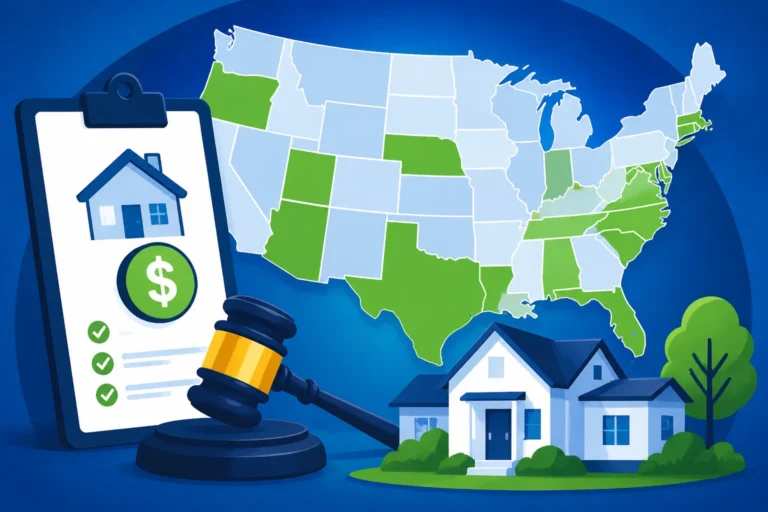
This is perhaps the most crucial point to grasp: there is no single, uniform national system for property tax sales. Each state, and sometimes even individual counties within a state, has its own unique statutes governing how delinquent property taxes are collected and how properties are sold.
States generally fall into one of two camps: "tax deed states" or "tax lien states," but some operate with a hybrid model. For example, Texas is considered a tax deed state, meaning the actual property is sold at auction, but it includes a post-sale redemption period (often six months to two years, depending on the property type) during which the former owner can buy back the property from the new owner by paying the sale price plus a redemption premium and costs. This is very different from, say, California, where once the tax deed is issued, the redemption period has usually passed, and the transfer of ownership is more final. Understanding Redemption Periods & Tax Foreclosure is paramount, whether you're a homeowner trying to save your property or an investor assessing risk.
Here's a simplified look at the primary differences:
| Feature | Tax Lien Sale | Tax Deed Sale |
|---|---|---|
| What's Sold? | The right to collect delinquent taxes + interest | The actual property itself |
| Initial Buyer Status | Lienholder (investor) | Owner (after sale, potentially subject to redemption) |
| Original Owner Status | Still owns property; owes investor | Generally loses ownership at sale |
| Redemption Period | Common, often 1-3 years (before foreclosure) | Varies greatly; can be very short or non-existent |
| Path to Ownership | Investor must foreclose if not paid | Buyer receives deed, often leading to direct ownership |
| Common States | Arizona, Florida (hybrid), Illinois, New Jersey | California, Florida (hybrid), Georgia, New York |
Note: Some states like Florida and New York can operate as "hybrid" states, selling tax liens initially but allowing for tax deed issuance or foreclosure if the lien is not redeemed.
This table is a general overview; specific laws can be incredibly nuanced, dictating everything from notice requirements to interest rates and redemption premiums. It underscores why understanding the laws in your specific locale is absolutely essential. You might even find specific information on topics like Florida Tax Lien & Tax Deed Process or How Much Can Property Tax Increase Per Year? highly relevant depending on your state.
Resources and Prevention Strategies
If you find yourself facing delinquent property taxes, or you're simply trying to understand how to avoid this situation altogether, there are concrete steps you can take. Panic is a natural reaction, but informed action is what will make a difference.
- Contact Your Local Tax Assessor/Collector: This should be your very first step. Don't wait. Many offices are willing to work with homeowners who are genuinely trying to pay their taxes. They can explain your options, including Property Tax Installment & Deferral Plans, or clarify if you qualify for any exemptions. They are the best source of information regarding your specific property and local rules.
- Explore Exemptions and Relief Programs: You might be eligible for various tax exemptions or relief programs that could significantly reduce your tax burden. These include homestead exemptions, senior citizen freezes, veteran exemptions, or disability exemptions. These are not always automatically applied, so you often need to actively apply for them. Checking out resources on Senior & Over-65 Property Tax Exemptions and Freezes or Veteran & Disabled Veteran Property Tax Exemptions can be a lifesaver.
- Seek Financial Counseling or Legal Aid: If your financial situation is complex, or you're already nearing a tax sale, consulting with a financial counselor or an attorney specializing in real estate or property tax law can provide invaluable guidance. Organizations often offer free or low-cost services for those struggling financially. They can help you understand the specific laws in your area and your rights.
- Proactive Financial Management: The best defense is a good offense. Regularly review your property tax bill, understand How Are Property Taxes Calculated?, and factor property taxes into your monthly budget. Financial tracking tools, like Stessa, can help you manage all your property-related income and expenses, making it easier to set aside funds for your tax bill or to spot potential issues early. If you're concerned about rising values, you can also explore How to Appeal Property Taxes: Complete Guide to potentially lower your assessed value. A property tax calculator can help you estimate your future bills, too.
Remember, the goal of tax authorities is generally to collect taxes, not to take homes. By understanding the process, knowing your rights, and taking proactive steps, you can significantly reduce the risk of ever facing a property tax deed sale.
Disclaimer
The information provided in this guide is for general informational purposes only and does not constitute legal, financial, or tax advice. Property tax laws are complex and vary significantly by state and locality. It is crucial to consult with a qualified legal professional, financial advisor, or local tax authority for advice tailored to your specific situation.