Pay Tarrant County Property Tax Online
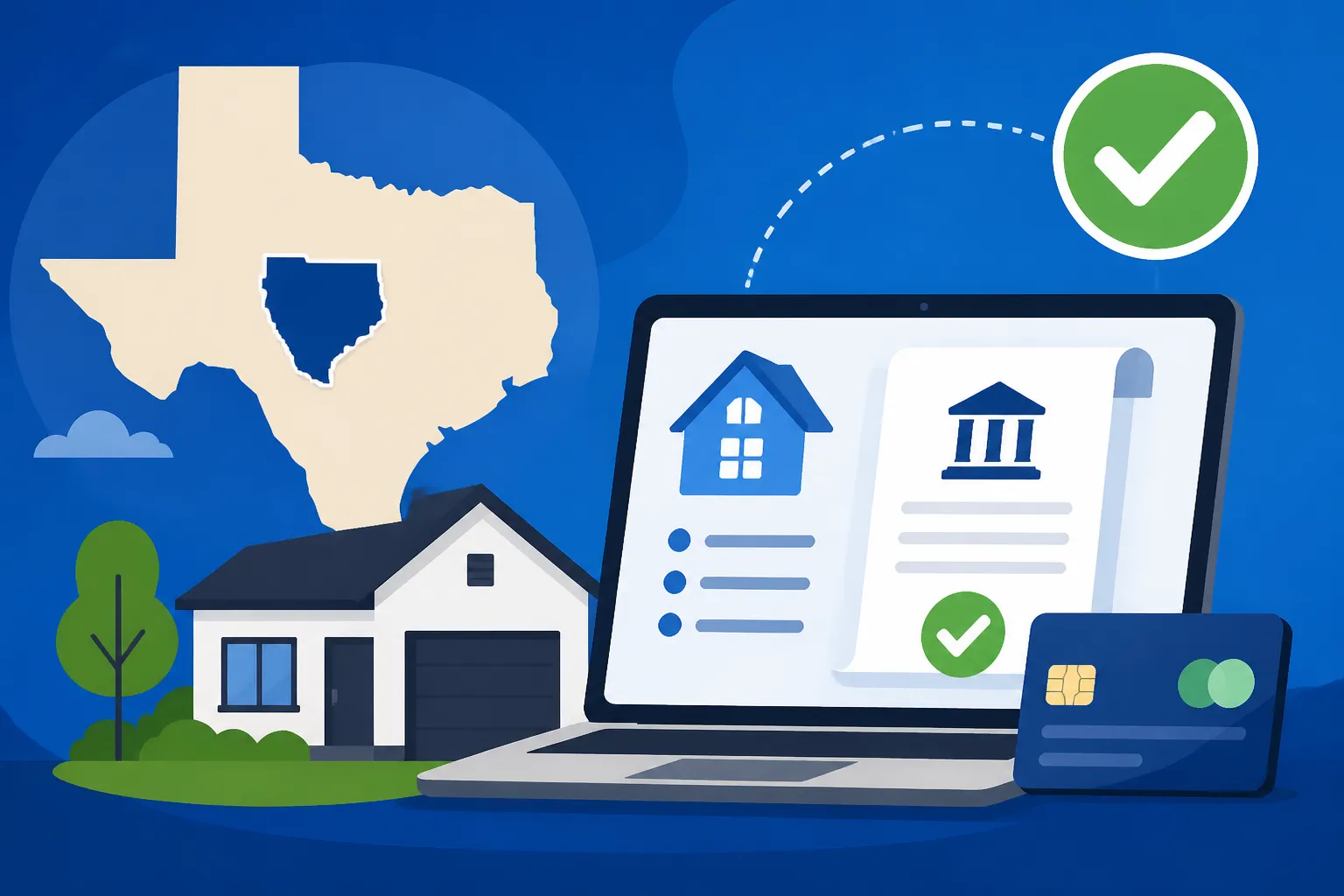
Navigating your property tax obligations can feel like sifting through a maze of dates, forms, and payment options, especially when you're a homeowner in a bustling area like Tarrant County, Texas. It’s easy to get overwhelmed, wondering if you're doing everything correctly and on time to avoid penalties. This comprehensive guide is here to demystify the process, specifically focusing on how to pay your Tarrant County property tax online, ensuring you understand every step and have peace of mind.
Understanding Your Tarrant County Property Tax Bill
Receiving your annual property tax statement can often bring a mix of emotions – relief that it's finally here, and perhaps a bit of dread at the number staring back at you. It's not just a bill; it's a detailed breakdown of how your local government funds vital services, and understanding it is the first step toward effective property tax management.
Decoding Your Annual Statement
When that statement from the Tarrant County Tax Assessor-Collector lands in your mailbox or inbox, it’s more than just a request for money. It's a critical document filled with important details about your property's valuation and the various entities that levy taxes against it. You'll see your property's appraised value, which is determined by the Tarrant Appraisal District (TAD), along with its assessed value, which is the value that taxes are actually calculated on after any exemptions are applied. This is why understanding Assessed Value vs Market Value vs Taxable Value is so crucial.
Beyond the valuation, your bill itemizes the specific taxing units that are collecting funds from your property. This typically includes the county itself, various independent school districts (ISDs) like Fort Worth ISD or Arlington ISD, cities, and often special districts for things like hospitals, junior colleges, or utility services. Each of these entities will have its own tax rate, often expressed in dollars per $100 of assessed value. Seeing the cumulative effect of these rates can really put into perspective how your total bill is calculated, helping you understand How Are Property Taxes Calculated in Texas?. Don't just glance at the total; take the time to look at each line item. It's your money, and you deserve to know where it's going.
Key Dates and Deadlines
One of the most common stressors for homeowners regarding property taxes is keeping track of due dates. In Tarrant County, as with the rest of Texas, property taxes are assessed on January 1st of each year. However, you typically won't receive your actual tax statement until October. This can sometimes create a feeling of urgency, but remember, you have a grace period.
The official due date for Tarrant County property taxes is January 31st of the following year. For example, taxes assessed on January 1, 2026, are due by January 31, 2027. If you miss this crucial deadline, penalties and interest will begin to accrue rapidly. These aren't just minor fees; they can significantly inflate your bill, making an already substantial payment even larger. It's vital to mark this date on your calendar, set reminders, and be proactive in ensuring your payment is submitted well in advance. For a broader perspective, you might want to look into Property Tax Due Dates by State to see how Texas compares.
Navigating the Tarrant County Tax Assessor-Collector Website
In today's digital age, paying bills online has become the norm for many, and your property taxes are no exception. Tarrant County has streamlined its process to allow for convenient online payments, saving you a trip to the tax office and giving you instant confirmation.
Step-by-Step Online Payment Process
Paying your Tarrant County property taxes online is designed to be straightforward, but having a clear roadmap can make it even easier. First, you’ll need to visit the official Tarrant County Tax Assessor-Collector website. Look for a prominent link or section dedicated to "Property Tax Payments" or "Pay Your Taxes." You’ll typically be prompted to search for your property using either your property account number, your owner ID, or your property address. Having your physical tax statement handy with your account number will be the quickest method.
Once you’ve successfully located your property and pulled up your current tax bill, you’ll see an option to proceed with payment. The system will usually display the total amount due, including any current penalties if it's past the January 31st deadline. Double-check all the information to ensure it matches your records. You'll then select your preferred payment method and follow the on-screen prompts to enter your details, much like any other online purchase. It’s always a good idea to confirm your payment amount one last time before finalizing the transaction.
Accepted Online Payment Methods
The Tarrant County Tax Assessor-Collector offers several convenient ways to pay your property taxes online, each with its own advantages and potential fees. The most common methods include eCheck (electronic check) and credit/debit card payments.
- eCheck (Electronic Check): This method involves providing your bank account and routing numbers. It's generally the most cost-effective online payment option as Tarrant County typically does not charge an additional fee for eCheck payments. This makes it a popular choice for homeowners who want to avoid extra charges. However, ensure you enter your information accurately to prevent bounced payments, which can incur fees from your bank and the tax office.
- Credit/Debit Card Payments: You can use major credit cards like Visa, MasterCard, Discover, and American Express. While convenient, these payments usually come with a processing fee charged by the third-party payment processor, not the county. This fee is often a percentage of your total tax bill, which can add up, especially on higher-value properties. For example, a 2.25% fee on a $5,000 tax bill would be an extra $112.50. Weigh the convenience against the cost, especially if you're not planning to earn rewards points that offset the fee. You might find platforms like LendingTree helpful for comparing financial products that could offer such benefits, though direct property tax payment is usually a better route for most.
- Third-Party Payment Processors: Sometimes, the county contracts with a specific third-party vendor to handle these credit card transactions. When you select to pay with a credit card, you'll often be redirected to their secure portal. Be sure you are on the official Tarrant County website or a trusted, linked third-party site to protect your financial information. Always confirm the URL begins with "https://" and looks legitimate.
Understanding these options helps you choose the most financially sound path for your situation. While the convenience of a credit card is undeniable, an eCheck can save you money if you plan ahead.
Exploring Other Payment Options Beyond Online
While paying online offers unparalleled convenience, it's not the only way to settle your Tarrant County property tax bill. For those who prefer traditional methods or need alternative arrangements, several other options are available.
Traditional Mail and In-Person Payments
Many people still prefer the tangible proof of mailing a check or paying in person. If you opt for payment by mail, make sure your check or money order is made payable to the "Tarrant County Tax Assessor-Collector." Crucially, always include your property account number on the check to ensure proper credit to your account. Mail your payment well in advance of the January 31st deadline. In Texas, the postmark date is generally considered the payment date. So, if your envelope is postmarked on or before January 31st, it's considered on time, even if it arrives a few days later. However, mailing it on the last day is always a risk, as postal delays can occur.
For those who prefer a more personal touch or need to address specific issues, in-person payments are readily accepted at any of the Tarrant County Tax Assessor-Collector's office locations. There are several branches scattered throughout the county, including the main office in Fort Worth and satellite offices in places like Arlington, Grapevine, and Mansfield. Check their website for current office hours and locations before heading out. When paying in person, you can typically use cash, check, money order, or credit/debit card (which will likely incur the same processing fees as online credit card payments). This method offers immediate receipt and confirmation, which can be reassuring. Some offices also provide secure drop boxes for payments after hours, but again, ensure your account number is clearly marked.
Third-Party Payment Services and Installment Plans
Beyond the direct methods, there are other avenues, particularly for those facing financial constraints or managing multiple properties. Some third-party services specifically offer property tax loans. These companies pay your property taxes for you, and you then make payments to them, often with interest and fees. While this might seem like a lifesaver if you're truly struggling to meet the deadline, it's critical to approach these services with extreme caution. The interest rates and fees can be quite high, sometimes even exceeding the county's penalty and interest rates, potentially putting you in a worse financial position. Always read the fine print and compare the total cost to what you'd pay in county penalties. Exploring Property Tax Loans: Should You Get One? can provide more insights into the risks and benefits.
Tarrant County also offers installment payment plans for certain eligible taxpayers, most commonly for those who are age 65 or older, or disabled, and have a homestead exemption on their property. If you qualify, you can pay your taxes in four equal installments, typically due on January 31, March 31, May 31, and July 31. This can significantly ease the financial burden of a single large payment. To take advantage of this, you must apply for it, and the first payment must be made by the January 31st deadline. For other property owners, a traditional installment plan might not be available directly through the county, but budgeting tools can help. Services like Stessa, for instance, are popular among rental property owners for tracking expenses and income, and could be utilized to set aside funds monthly for property tax obligations, even without a formal county installment plan. Delving into Property Tax Installment & Deferral Plans can give you a better understanding of these options statewide.
Addressing Common Concerns and Troubleshooting
Even with the best intentions, things can sometimes go awry with property tax payments. Knowing how to troubleshoot common issues and what to do if you encounter problems can save you a lot of stress and money.
Dealing with Missed Deadlines and Penalties
Missing the January 31st property tax deadline in Tarrant County can be a harsh reality, but it’s not the end of the world. What happens next is that penalties and interest will begin to accrue on your unpaid balance. For instance, in February, a 7% penalty and interest amount is added (1% penalty + 6% annual interest, prorated monthly). This percentage increases each month that the taxes remain unpaid. By July 1st, the penalty can reach 12% plus accrued interest, and an additional collection fee of 15-20% might be added as the account is referred to a delinquent tax attorney. This can significantly increase your bill, highlighting why you should avoid missing the initial deadline if at all possible.
If you find yourself in this situation, the absolute best course of action is to pay the outstanding balance, including all penalties and interest, as quickly as you can. The longer you wait, the more expensive it becomes. While the tax office typically cannot waive penalties and interest, sometimes there are specific, rare circumstances where they might consider it, but this is uncommon. It’s important to contact the Tarrant County Tax Assessor-Collector's office immediately to discuss your options and get the precise amount due. Ignoring the problem will only make it worse, potentially leading to more severe consequences like a property tax lien. If you're struggling, read more about Delinquent Property Taxes: What to Do to understand the broader implications.
Verifying Payment and Avoiding Scams
After you’ve submitted your payment, whether online, by mail, or in person, it’s crucial to verify that it has been processed correctly. For online payments, you should receive an email confirmation immediately after the transaction is complete. Keep this email for your records. If you don't receive one within a few hours, check your spam folder or log back into the payment portal to check the status. You can usually also check your payment status directly on the Tarrant County Tax Assessor-Collector's website a few days after payment by searching for your property account. This allows you to see if the payment has been posted to your account.
Unfortunately, property tax season can also be a time when scammers try to take advantage of homeowners. Be highly suspicious of any unsolicited calls, emails, or texts demanding immediate property tax payments, especially if they ask for payment via gift cards, wire transfers, or unusual methods. The Tarrant County Tax Assessor-Collector will never demand payment in such a way. Always confirm the legitimacy of any communication by cross-referencing information with your official tax statement or by directly calling the county tax office using the phone number listed on their official website, not one provided in a suspicious communication. Being vigilant is your best defense against fraud. Knowing How to Read Your Property Tax Bill will help you identify legitimate communications.
Tarrant County Property Tax Online Payment Options Summary
To help you quickly compare the main ways to pay your Tarrant County property taxes, here’s a handy table summarizing the options, fees, and processing times.
| Payment Method | Description | Tarrant County Fee | Third-Party Fee (Approx.) | Processing Time (Approx.) | Convenience | Notes |
|---|---|---|---|---|---|---|
| Online eCheck | Direct debit from your checking or savings account. Requires bank account and routing numbers. | $0 | $0 | 2-5 business days | High | Most cost-effective. Ensure accurate entry of bank details to avoid bounced payment fees. |
| Online Credit/Debit | Payment using major credit (Visa, MC, Disc, Amex) or debit cards. Processed by a third-party vendor. | $0 | 2.25% – 2.5% of payment | 1-3 business days | Very High | Fees can add up on larger amounts. Consider if rewards points offset the cost. |
| Mail (Check/Money Order) | Send a check or money order via postal service. Must be postmarked by January 31st. | $0 | $0 (postage only) | 5-10 business days | Medium | Include property account number on check. Postmark date is critical. Consider certified mail for proof of sending. |
| In-Person | Pay directly at a Tarrant County Tax Assessor-Collector office. Accepts cash, check, money order, credit/debit. | $0 | 2.25% – 2.5% (for cards) | Immediate | Medium | Offers immediate receipt. Check office hours and locations before visiting. Cash is accepted here. |
| Drop Box | Secure drop boxes available at some Tarrant County offices for check/money order payments. | $0 | $0 | 2-5 business days | Medium | For after-hours payments. Ensure proper labeling with account number. No cash in drop boxes. |
| Installment Plan | Available for homesteaded seniors (65+) or disabled homeowners. Four payments due Jan 31, Mar 31, May 31, Jul 31. | $0 | $0 | Per schedule | High | Must apply and make first payment by January 31st. Helps spread out the financial burden. |
| Third-Party Tax Loan | A private company pays your taxes; you repay them with interest/fees. | Varies | Varies (often high) | 1-3 business days | Varies | Use with extreme caution. Interest and fees can be substantial. Evaluate against county penalties before committing. |
Paying your property taxes might not be the most exciting part of homeownership, but it's an essential responsibility that directly contributes to the community you live in. By understanding your bill, knowing your payment options, and staying on top of deadlines, you can navigate this process with confidence and avoid unnecessary stress. Whether you prefer the speed of an online eCheck, the convenience of a credit card, or a more traditional approach, Tarrant County offers flexible ways to ensure your taxes are paid correctly and on time. Remember, proactive management of your property taxes, much like understanding Why Do Property Taxes Increase?, is key to smart homeownership.
Disclaimer
The information provided in this guide is for general informational purposes only and does not constitute financial, legal, or tax advice. Property tax laws and procedures can change, and specific situations may vary. Always consult with a qualified financial advisor, tax professional, or the official Tarrant County Tax Assessor-Collector's office for advice tailored to your individual circumstances.